✨✨SPECIAL OFFER✨✨
Buy one get one free on our 50 grams of imitation silver and copper flakes….whilst stocks last !!
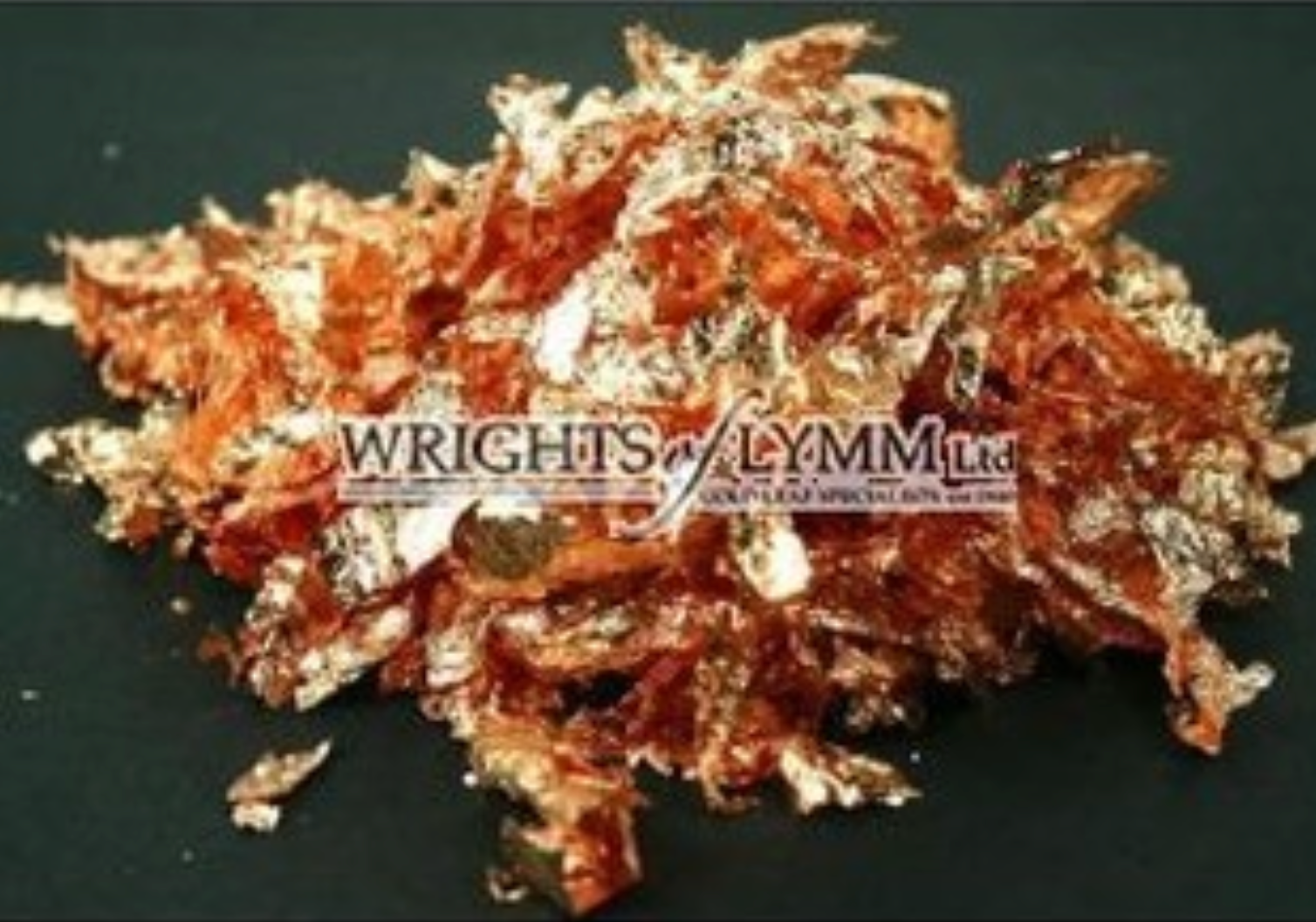
silver flakes and copper flakes
✨✨SPECIAL OFFER✨✨
Buy one get one free on our 50 grams of imitation silver and copper flakes….whilst stocks last !!
silver flakes and copper flakes
Another set of courses from @painttechuk head over to their page to find out more information!!
“It’s that time of the week again when we look at our upcoming courses!
If you’re interested in any of them, drop us a message or head over to our website.”

Paint Tech UK Courses
Bar/Restaurant in Manchester by the talented artist @philconstableartist
The concept behind this was to create a space that consisted of garden scene mirrors spilling out onto the walls with lighting to welcome visitors into the venue.
Working with interior designer and sponsor Grey Goose printed three colour printed Essence branding. Developing the garden scene like a wallpaper and printed in reverse of glass. After, deleted parts on each piece to give them an individual quality.
Using metallic paints, blending and gold gild giving it richness bringing it all to life. Phil hand silvered the glass creating a little distress effect.
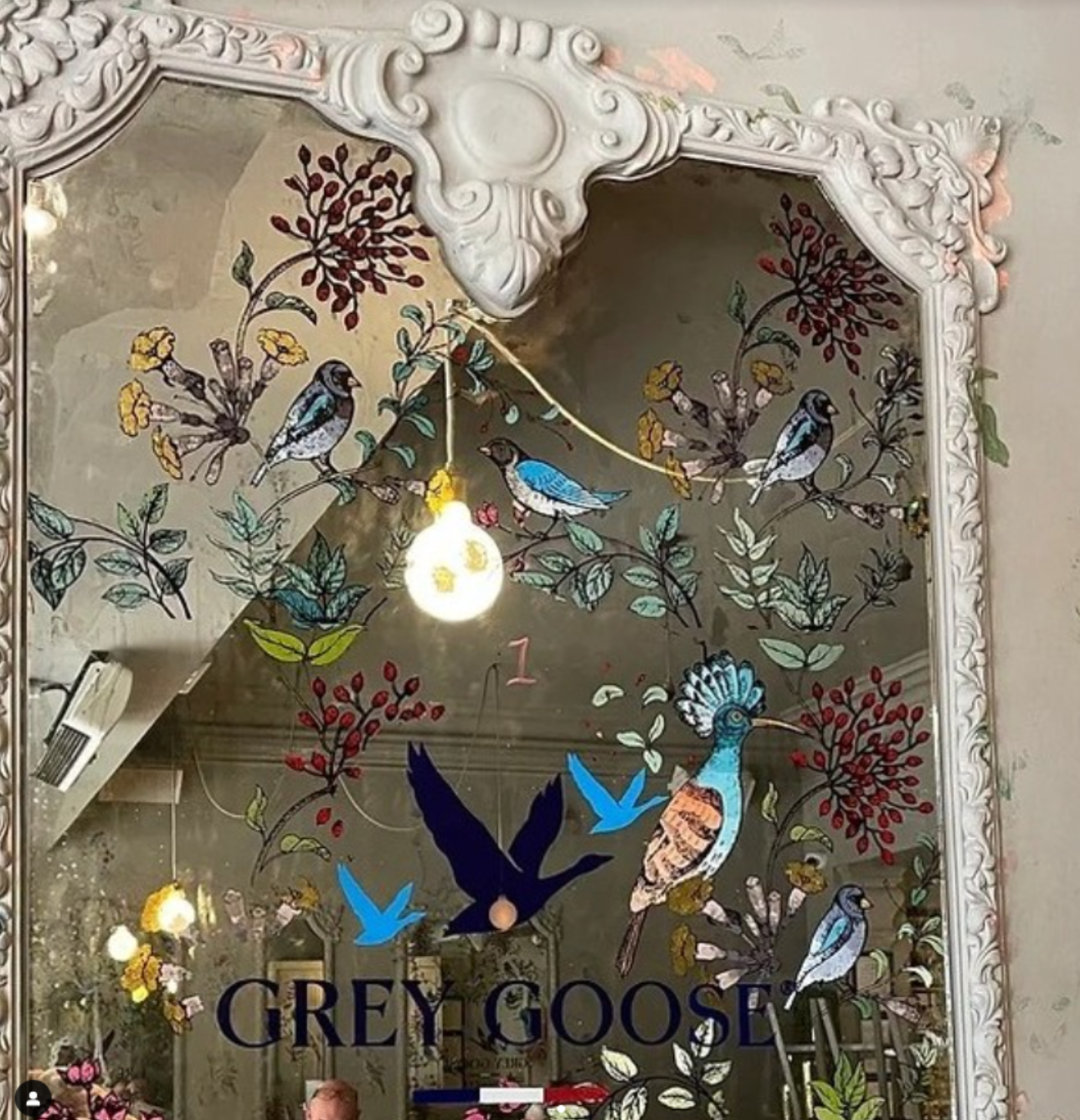
Grey Goose Gold Gild
Gold leaf has been revered throughout history for its beauty and preciousness, and the United Kingdom has played a significant role in its use. In ancient times, gold leaf was used to embellish religious artefacts and tombs. The Romans, with their love for lavishness, introduced gold leaf to the British Isles. During the medieval period, gold leaf was extensively employed in the decoration of illuminated manuscripts, such as the famous Lindisfarne Gospels. The Renaissance witnessed a resurgence of gilding in the UK, with gold leaf being applied to furniture, frames, and architectural details. The grandeur of the Palace of Versailles is a testament to the widespread use of gold leaf during this period.
Gold leaf comes in various forms, each with its unique characteristics. The two main types of gold leaf are genuine gold leaf and imitation gold leaf. Genuine gold leaf is made of pure gold and is available in different karats, ranging from 22 karat to 24 karat. It is the epitome of luxury and is highly sought after by artists and craftsmen. Imitation gold leaf, on the other hand, is made by applying a thin layer of metallic alloy onto a base material, such as brass or copper. It mimics the appearance of genuine gold leaf but is more affordable. Other types of gold leaf include white gold leaf, which has a paler hue, and variegated gold leaf, which has a mottled or textured appearance.
Gilding is an intricate and precise art form that requires skill and patience. The process involves applying a thin layer of gold leaf onto a surface, such as wood, metal, or glass, using an adhesive called size. The size is applied in a specific pattern or design, and then the gold leaf is carefully laid onto the tacky surface. Once the gold leaf is in place, the excess is gently brushed away, leaving behind a shimmering layer of gold. Gilding can be done using loose gold leaf or gold leaf sheets, depending on the desired effect. The art of gilding has been passed down through generations of craftsmen, and today, it continues to be practised by both traditional artisans and contemporary artists.
The United Kingdom boasts a rich heritage of gold leaf applications, with numerous iconic landmarks and works of art showcasing its beauty. One such example is the interior of St. Paul’s Cathedral in London. The cathedral’s intricate gilded decorations, including the famous Golden Gallery, are a testament to the grandeur of gold leaf. Another notable example is the Palace of Westminster, home to the Houses of Parliament. The opulent gold leaf embellishments throughout the palace, such as the gilded statues and ornate ceilings, exude a sense of regality. The Royal Albert Hall is yet another iconic venue adorned with gold leaf, adding a touch of elegance to its grandeur.
While gold leaf is often associated with traditional and historic settings, it also has a place in contemporary interior design. Its timeless beauty and versatility make it a popular choice for adding a touch of luxury to any space. Gold leaf can be used to accentuate architectural details, such as mouldings and cornices, creating a sense of grandeur. It can also be applied to furniture, transforming ordinary pieces into exquisite works of art. For those who prefer a more subtle approach, gold leaf can be used sparingly, as a focal point or as an accent against a neutral backdrop. Whether used in a traditional or modern setting, gold leaf adds a touch of glamour and sophistication to any interior.
Incorporating gold leaf into your DIY projects is a rewarding and creative endeavour. The first step is to gather the necessary materials, including gold leaf sheets, adhesive size, a brush, and a burnishing tool. Prepare the surface by ensuring it is clean, smooth, and free from dust. Apply the adhesive size in the desired pattern or design, following the instructions provided. Once the size has reached the tacky stage, carefully lay the gold leaf onto the surface, gently pressing it down. Allow the gold leaf to set before gently brushing away the excess with a soft brush. Finally, use a burnishing tool to smooth out any wrinkles or imperfections and to achieve a lustrous finish.
To ensure the longevity and beauty of gold leaf, proper maintenance and care are essential. Avoid using abrasive cleaners or harsh chemicals, as they can damage the delicate surface. Instead, gently dust the gold leaf using a soft brush or a microfiber cloth. If the gold leaf becomes tarnished or loses its shine over time, you can restore its brilliance by carefully applying a thin layer of varnish or shellac. It is also important to protect gold leaf from direct sunlight, as prolonged exposure can cause fading. With proper care, gold leaf can retain its radiant allure for generations to come.
Gold leaf holds a special place in the heart of the United Kingdom, thanks to its historical significance and enduring beauty. From the gilded interiors of majestic cathedrals to the sleek and modern applications in interior design, gold leaf continues to captivate and inspire. Its timeless allure transcends eras and styles, adding a touch of luxury and opulence to any setting. Whether you are an artist, a designer, or simply an admirer of beauty, exploring the art and practical applications of gold leaf in the UK is a journey well worth embarking on.
Purchase all of your Gold Leaf Essentials here.
The history of gold leaf dates back thousands of years, with its origins rooted in ancient civilisations such as Egypt, Mesopotamia, and China. The ancient Egyptians were among the first to discover the art of gold leafing, using it to adorn their tombs, temples, and statues. They believed that gold had magical properties and represented the eternal and divine. In China, gold leaf was used to decorate Buddhist statues and temples, symbolising enlightenment and purity.
During the Middle Ages, gold leaf became a prominent feature in religious art, particularly in the elaborate manuscripts created by monks. The shimmering gold surfaces added a heavenly glow to the intricate illustrations and illuminated letters, making the religious texts come alive.
There are several types of gold leaf available today, each with its unique characteristics and applications. The most common types include genuine gold leaf, composition gold leaf, and variegated gold leaf.
Genuine gold leaf is made from pure gold, which is hammered into incredibly thin sheets. It is available in various karats, ranging from 22-karat to 24-karat gold. The higher the karat, the purer and more vibrant the gold leaf will be.
Composition gold leaf, also known as imitation gold leaf, is made by combining copper and zinc alloys with gold. It closely resembles genuine gold leaf and is often used as a more affordable alternative.
Variegated gold leaf features a combination of gold and other metal alloys, resulting in a unique and textured appearance. It creates a captivating visual effect that adds depth and character to artworks and designs.
The creation of gold leaf is a meticulous and labor-intensive process that requires the utmost skill and precision. It starts with the selection of high-quality gold, which is then melted and rolled into incredibly thin sheets. These sheets are then cut into manageable sizes and placed between tissue paper for protection.
To achieve the desired thickness, the gold sheets are repeatedly hammered and stretched by skilled artisans. This process, known as beating, requires years of practice and a delicate touch. The final result is a delicate and lustrous sheet of gold leaf, ready to be used in various artistic and design applications.
Gold leaf has been utilised in a wide range of art and design applications, adding a touch of luxury and grandeur to countless masterpieces throughout history. From paintings and sculptures to furniture and architectural elements, gold leaf has the power to transform ordinary objects into extraordinary works of art.
In painting, gold leaf is often used to highlight specific areas or to create intricate patterns and textures. It can be applied directly onto a surface or used in combination with other mediums, such as oil or acrylic paints. The reflective properties of gold leaf create a luminous effect that enhances the overall visual impact of the artwork.
In architecture and interior design, gold leaf is commonly used to embellish ceilings, domes, and ornamental details. The gilded surfaces catch the light and create a sense of grandeur and elegance. From palaces and cathedrals to modern luxury homes, gold leaf has been a staple in creating luxurious and awe-inspiring spaces.
Throughout history, numerous famous artworks and landmarks have been adorned with gold leaf, leaving an indelible mark on our cultural heritage. One of the most iconic examples is the gilded dome of the Taj Mahal in India. The intricate patterns and shimmering gold surfaces of the dome epitomise the beauty and splendour of Mughal architecture.
Another notable example is Gustav Klimt’s masterpiece, “The Kiss.” This iconic painting features elaborate gold leaf patterns that symbolise love and passion. The gold leaf adds a luminous quality to the painting, elevating it to a level of ethereal beauty.
In the realm of architecture, the Palace of Versailles in France is a prime example of the lavish use of gold leaf. From the opulent Hall of Mirrors to the ornate decorations on the ceilings and walls, gold leaf is a prominent element throughout the palace, embodying the extravagance and grandeur of the French monarchy.
Using gold leaf in art and design offers numerous benefits and advantages. Firstly, gold leaf adds a touch of luxury and sophistication to any project. The shimmering surfaces create a sense of opulence and elegance that is hard to replicate with other materials.
Secondly, gold leaf is incredibly versatile. It can be applied to various surfaces, including wood, metal, glass, and even paper. This versatility allows artists and designers to explore different mediums and experiment with various techniques, creating truly unique and captivating artworks.
Furthermore, gold leaf is highly durable and resistant to tarnishing, making it a long-lasting material that can withstand the test of time. This durability ensures that artworks and designs featuring gold leaf will retain their beauty and allure for generations to come.
Working with gold leaf requires a delicate touch and careful attention to detail. Here are a few tips to help you achieve the best results when working with this exquisite material:
Prepare the surface: Ensure that the surface you are applying the gold leaf to is clean, smooth, and free from any dust or debris. This will ensure proper adhesion and a flawless finish.
Use a suitable adhesive: There are various types of adhesives available for attaching gold leaf. Choose the one that is most suitable for your project and apply it evenly onto the surface.
Handle with care: Gold leaf is incredibly delicate and can easily tear or wrinkle. Use tweezers or a soft brush to handle the gold leaf gently, taking care not to apply too much pressure.
Burnish for a smooth finish: Once the gold leaf is applied, use a soft brush or cloth to gently burnish the surface. This will smooth out any wrinkles or imperfections and enhance the shine of the gold.
Seal the gold leaf: To protect the gold leaf and ensure its longevity, it is essential to seal it with a suitable varnish or sealant. This will prevent tarnishing and keep the gold leaf looking pristine.
Gold leaf is a truly remarkable material that has captivated artists and designers for centuries. Its rich history, diverse applications, and timeless beauty make it a cherished medium in the world of art and design. Whether used to embellish a painting, highlight architectural details, or create stunning decorative pieces, gold leaf adds a touch of luxury and sophistication to any project.
So, why not explore the mesmerising allure of gold leaf and embark on your own artistic journey? Click here to discover a wide range of gold leaf products and unleash your creativity.
Great sign work from @harrymyttonsigns always produces the best of the best!!
“The White Hart – @whitehartpubliverpoolopened it’s door last night and it really is brilliant. Proper pub that feels like it’s been there forever.
Completed a big signage scheme for this place which I need to get some completed photos of but for now here’s the big pub swing sign.
Completely bespoke from start to finish. Designed by @stride_studio, fabricated by tordesignfabrication and painted and gilded by Chrissy and me in the workshop before being installed by Phil and Graham. There was a lot to manage and sort on a job this size but the stress was oh so worth it as soon as it was up on the wall. An instant classic much like the venue itself.
Hand painted pictorials and gold leaf should be on every pub, really sets it all off. Long live pubs!”

Harry Mytton Signs
Be sure to Head over to @painttechuk for their February courses!! A lot of great information and advice to learn from them!!
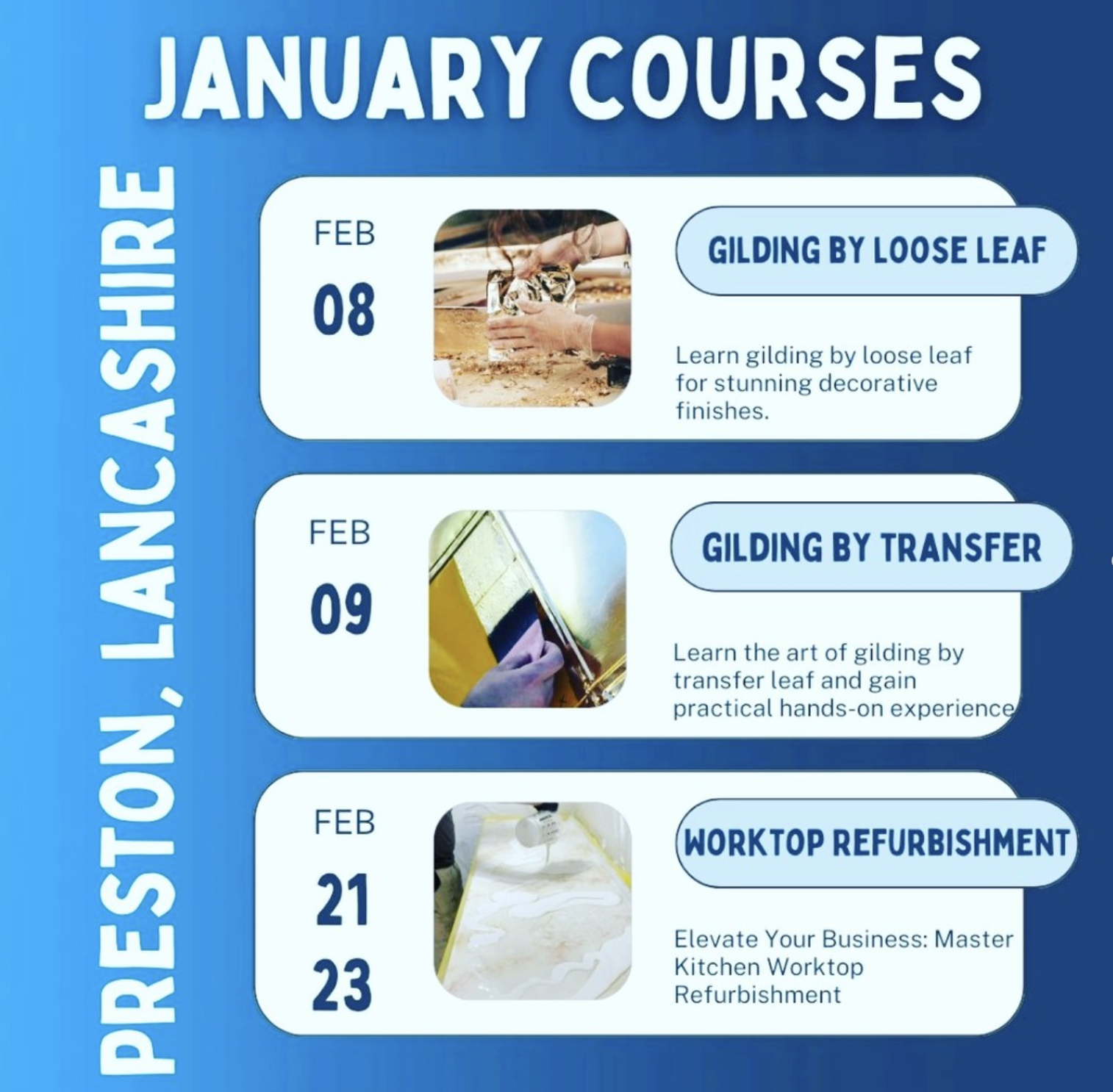
paint tech uk
A beautiful cake made by @pontycarlocakes never fails to disappoint!!
Beautiful cake hoop by @beourguestevents
Wafer paper ruffles made with @saracinodolci wafer paper.
Glitter bands made with @celebakes.by.ckglitter squares.
Cakes covered in @massa_ticino_sugarpaste
Open peony made with @squireskitchenflower paste.
Gold leaf from @wrightsoflymm
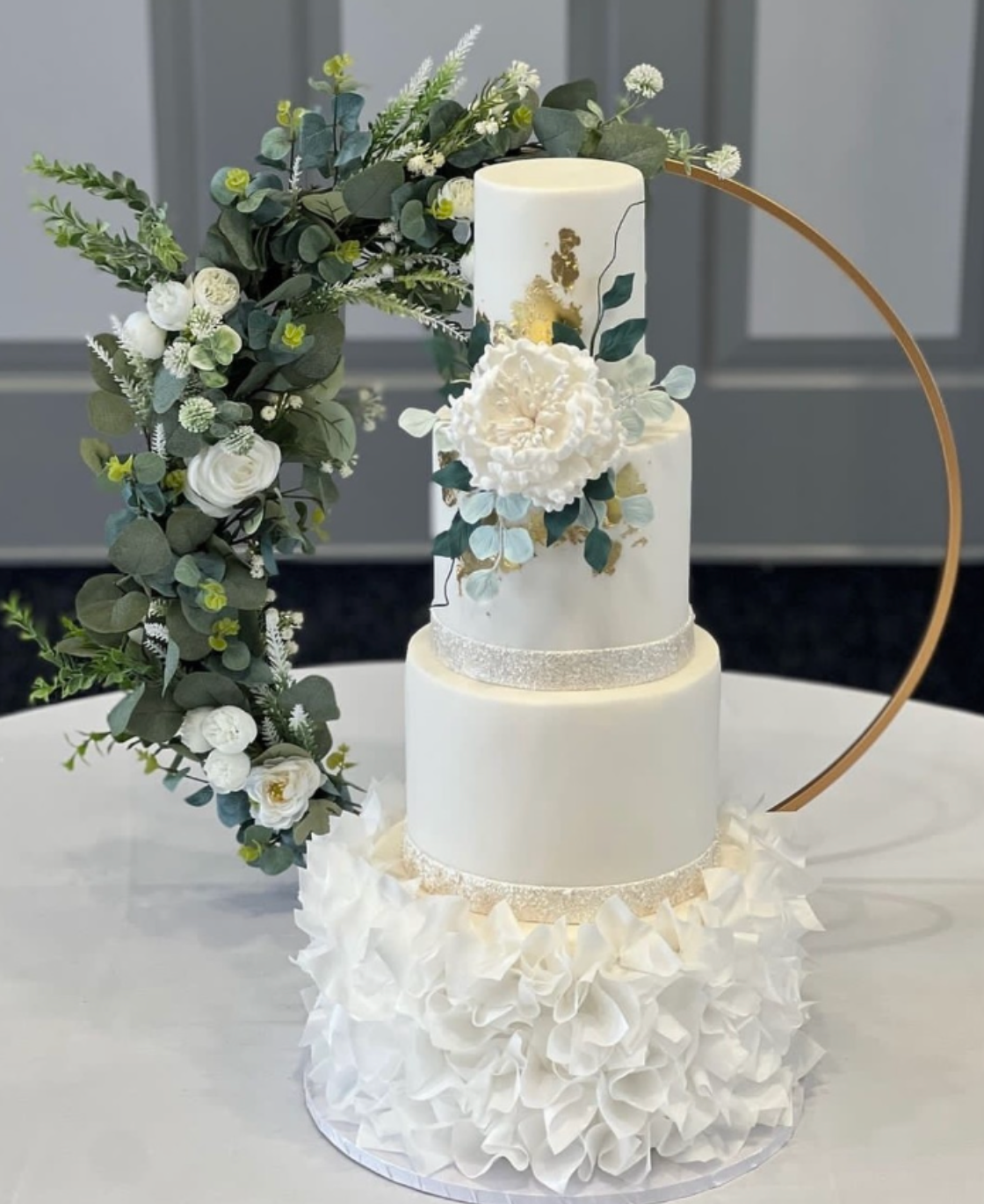
Ponty Carlo Cakes
Last 2 days to take advantage of our January special offer of 20% discount on all our own brand paints and signwriting brushes.
Order today at the link in our bio www.wrightsoflymm.co.uk entering the discount code JAN24 at checkout!

sale
A lovely gilded house number by @sneakyweaselsigns never fails to impress!
Be sure to check out their page (on Instagram)!!
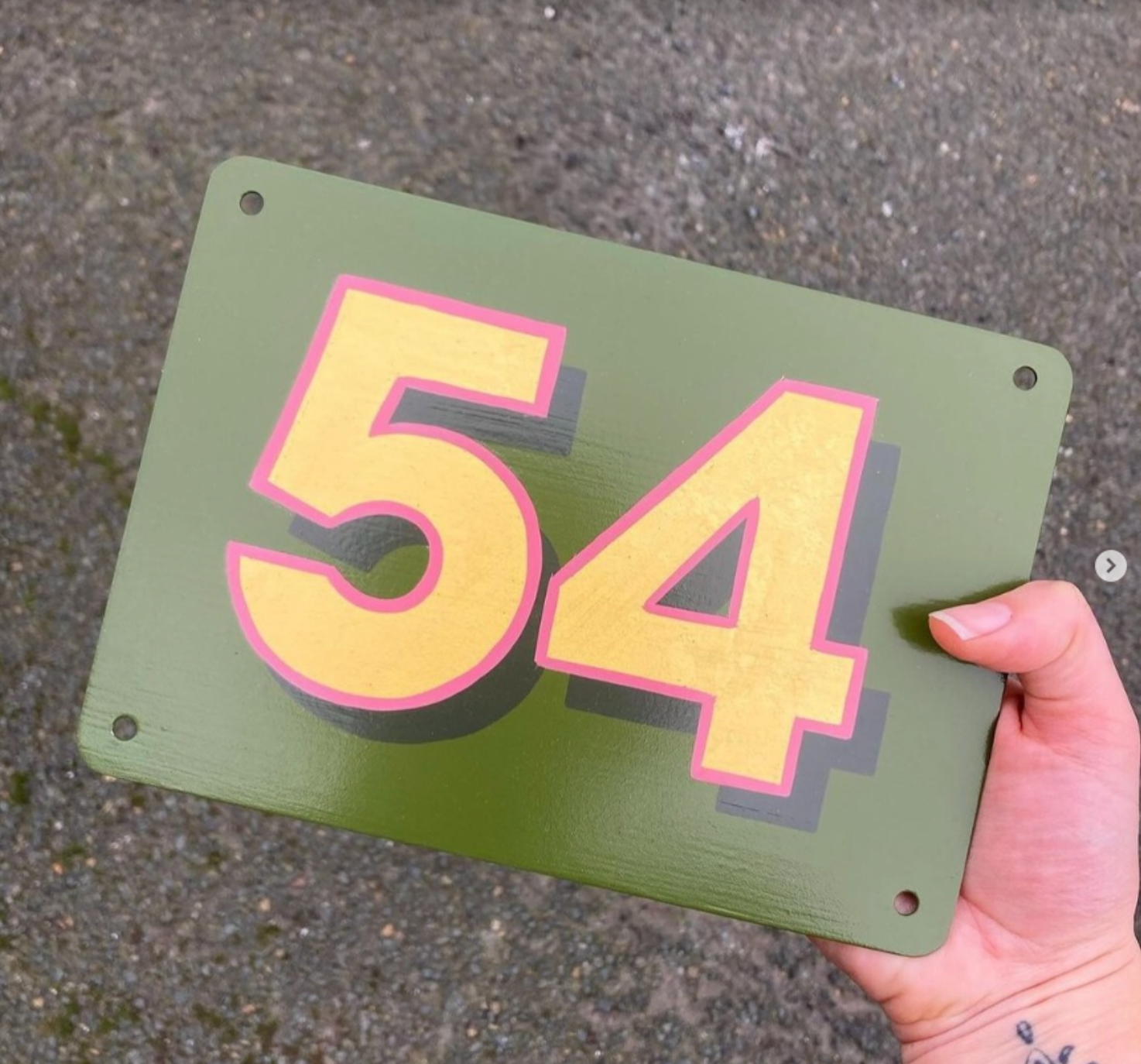
gilded house number