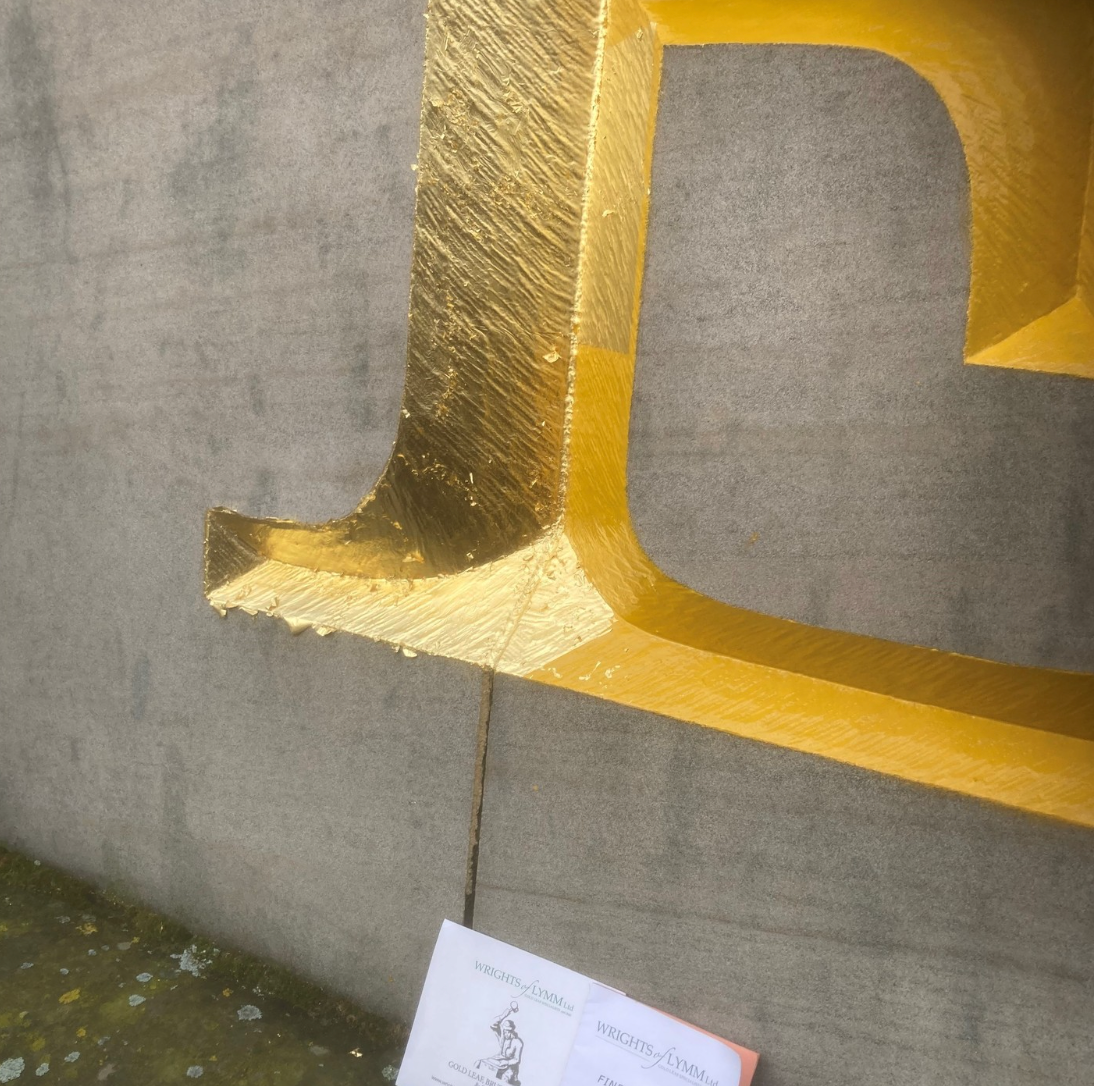
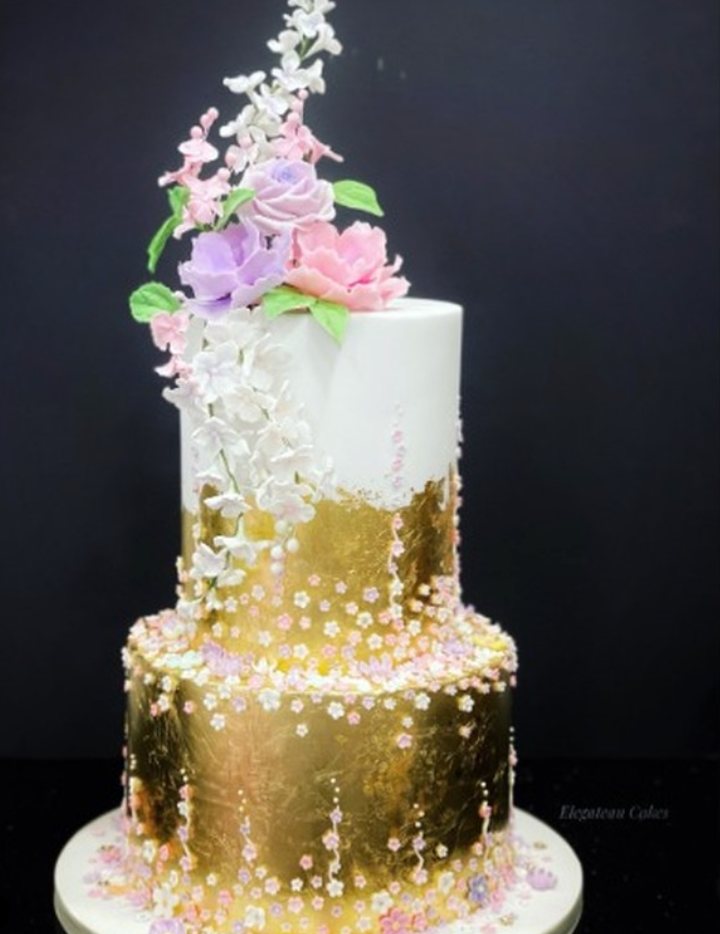
Gold Leaf Transfer: A Step-by-Step Guide for Beginners

What is Gold Leaf and How is it Made?

Gold leaf is a thin, delicate layer of pure gold that is meticulously hammered or pressed into sheets, typically measuring only a few hundred nanometres in thickness. This intricate process results in a material that is incredibly lightweight, yet remarkably durable. The shimmering, reflective quality of gold leaf has captivated artists and craftspeople for centuries, making it a sought-after medium for a variety of applications, from gilding to decorative arts.


Tools and Materials Needed for Gold Leaf Transfer

To embark on your gold leaf transfer journey, you’ll need the following tools and materials:

  • Gold leaf sheets or rolls
  • Adhesive (e.g., size, gesso, or gilding size)
  • Applicator tools (e.g., gilding brushes, cotton balls, sponges)
  • Burnishing tools (e.g., agate burnisher, soft cloth)
  • Sealing medium (e.g., acrylic medium, varnish)
  • Protective gloves
  • Scissors or a sharp knife
  • A clean, well-lit work surface


Preparing the Surface for Gold Leaf Transfer

The success of your gold leaf transfer project begins with proper surface preparation. Ensure that the surface you’re working on is clean, smooth, and free of any debris or imperfections. Depending on the material, you may need to apply a primer or base coat to create a smooth, uniform surface for the gold leaf to adhere to.


Applying the Adhesive for Gold Leaf Transfer

Once the surface is ready, it’s time to apply the adhesive. The type of adhesive you choose will depend on the material you’re working with and the desired level of adhesion. Common adhesives used in gold leaf transfer include size, gesso, and gilding size. Apply the adhesive in thin, even coats, allowing it to dry completely before proceeding to the next step.


Handling and Applying the Gold Leaf

Handling gold leaf can be a delicate and challenging task, as the material is incredibly thin and fragile. Wear protective gloves to avoid damaging the leaf, and use gentle, controlled movements when transferring it to the surface. Carefully position the gold leaf, ensuring it adheres evenly to the adhesive-coated area.


Removing Excess Gold Leaf and Burnishing the Surface

After applying the gold leaf, use a soft, clean cloth or a specialised burnishing tool to gently press and smooth the surface. This process, known as burnishing, helps to secure the gold leaf and create a uniform, reflective finish. Carefully remove any excess gold leaf, ensuring that the desired areas are fully covered.


Sealing and Protecting the Gold Leaf

To preserve the beauty and durability of your gold leaf transfer, it’s important to seal and protect the surface. Apply a thin, even layer of a sealing medium, such as an acrylic medium or varnish, over the gold leaf. This step will help to prevent tarnishing, flaking, or other damage to the delicate gold leaf.


Troubleshooting Common Issues in Gold Leaf Transfer

As with any artistic technique, you may encounter some challenges along the way. Common issues in gold leaf transfer include uneven adhesion, cracking or flaking of the gold leaf, and difficulty handling the fragile material. By understanding the causes and solutions to these problems, you can navigate the process with greater confidence and success.


Tips and Tricks for Achieving Professional Results

To elevate your gold leaf transfer skills, consider the following tips and tricks:

  • Experiment with different adhesives and application techniques to find the method that works best for your project.
  • Use a clean, well-lit work area to ensure optimal visibility and control during the transfer process.
  • Invest in high-quality tools and materials to ensure consistent and reliable results.
  • Practice patience and attention to detail throughout the entire process.
  • Explore various surface textures and materials to create unique and visually striking effects.


Unleash Your Creativity with Gold Leaf Transfer

Mastering the art of gold leaf transfer opens up a world of creative possibilities. By following the step-by-step guide outlined in this article, you’ll be well on your way to adding a touch of opulence and elegance to your projects. Remember to approach the process with patience, attention to detail, and a willingness to experiment. With practice and dedication, you’ll soon be creating stunning, professional-quality gold leaf transfers that will captivate and inspire those around you.

Signwriting Enamel Paints: Everything You Need to Know

What are Signwriting Enamel Paints?

Signwriting enamel paints are a specialised type of paint formulated specifically for use in signage and other exterior applications. These paints are known for their exceptional resistance to weathering, fading, and chipping, making them an ideal choice for outdoor signage, vehicle graphics, and a wide range of other decorative and functional surfaces. Signwriting enamel paints typically offer a smooth, glossy finish that can withstand the elements and maintain their vibrant colours over an extended period.


Types of Signwriting Enamel Paints

When it comes to signwriting enamel paints, you’ll find a variety of options to choose from, each with its own unique characteristics and applications. Some of the most common types include:

  • Oil-based Enamel Paints: These paints are known for their exceptional durability and high-gloss finish. They are often used for outdoor signage, vehicle graphics, and other high-traffic applications.
  • Acrylic Enamel Paints: Acrylic enamel paints offer a more flexible and user-friendly alternative to traditional oil-based enamels. They provide a durable finish and are easier to apply and clean up.
  • Metallic Enamel Paints: For a touch of metallic elegance, metallic enamel paints can add a stunning sheen to your signage. These paints are often used to create eye-catching effects and accents.
  • Specialty Enamel Paints: Some manufacturers offer speciality enamel paints designed for specific applications, such as heat-resistant paints for high-temperature surfaces or paints with anti-graffiti properties.


Benefits of Using Signwriting Enamel Paints

Signwriting enamel paints offer a range of benefits that make them a popular choice for a variety of signage and decorative projects:

  • Durability: Enamel paints are known for their exceptional resistance to weathering, fading, and chipping, ensuring that your signage or painted surfaces maintain their vibrant appearance for years to come.
  • High-Gloss Finish: Signwriting enamel paints provide a smooth, glossy finish that adds a professional and polished look to your signage.
  • Colour Vibrancy: These paints are formulated to maintain their bold, vibrant colours, even when exposed to harsh outdoor conditions.
  • Versatility: Signwriting enamel paints can be used on a wide range of surfaces, including wood, metal, plastic, and glass, making them a versatile choice for various projects.
  • Easy Application: Many signwriting enamel paints are designed to be user-friendly, with a smooth and consistent application that can be achieved with a brush, roller, or spray gun.


How to Choose the Right Signwriting Enamel Paint for Your Project

When selecting the right signwriting enamel paint for your project, there are several factors to consider:

  1. Surface Type: Determine the material you’ll be painting, as this will influence the type of enamel paint you should choose. Some paints are better suited for specific surfaces, such as metal or plastic.
  2. Finish and Sheen: Decide on the desired finish, whether it’s a high-gloss, satin, or matte look, and select the appropriate enamel paint.
  3. Colour and Opacity: Consider the colour you need and the paint’s opacity, as some paints may require multiple coats to achieve full coverage.
  4. Environmental Conditions: If your signage will be exposed to harsh outdoor conditions, such as extreme temperatures, UV radiation, or saltwater, choose an enamel paint that can withstand these environmental factors.
  5. Application Method: Determine if you’ll be using a brush, roller, or spray gun, and select a paint that is compatible with your application method.


By carefully considering these factors, you can ensure that you choose the right signwriting enamel paint for your specific project and achieve the desired results.


Tips for Applying Signwriting Enamel Paints

Proper application is key to getting the best results when using signwriting enamel paints. Here are some tips to help you achieve a professional-looking finish:

  • Surface Preparation: Thoroughly clean and degrease the surface before painting to ensure proper adhesion. Sand or etch the surface if necessary.
  • Primer Application: In many cases, applying a compatible primer before the enamel paint can improve adhesion and help prevent future chipping or peeling.
  • Proper Thinning: Follow the manufacturer’s instructions for thinning the paint, as this can affect the viscosity and ease of application.
  • Brush or Roller Techniques: Use high-quality brushes or rollers and apply the paint in thin, even coats, taking care to avoid drips or excessive build up.
  • Spray Application: If using a spray gun, adjust the air pressure and paint flow to achieve a smooth, even application.
  • Drying and Curing Time: Allow the paint to dry completely between coats and follow the recommended curing time before exposing the surface to heavy use or weathering.

By following these tips, you can ensure a smooth, durable, and long-lasting finish with your signwriting enamel paints.


Common Mistakes to Avoid When Using Signwriting Enamel Paints

While signwriting enamel paints are generally easy to work with, there are a few common mistakes to avoid to ensure the best possible results:

  • Inadequate Surface Preparation: Failing to properly clean and prepare the surface can lead to poor paint adhesion and premature failure.
  • Improper Thinning: Thinning the paint too much or using the wrong type of thinner can affect the paint’s viscosity and coverage.
  • Applying Too Thick of a Coat: Thick, heavy coats of enamel paint can result in drips, runs, and an uneven finish.
  • Insufficient Drying/Curing Time: Rushing the drying or curing process can compromise the paint’s durability and adhesion.
  • Mixing Incompatible Paints: Using enamel paints from different manufacturers or product lines can cause compatibility issues and lead to poor results.

By being mindful of these common pitfalls and following the manufacturer’s instructions, you can ensure a successful and long-lasting application of your signwriting enamel paints.


Maintenance and Care for Signwriting Enamel Painted Surfaces

To keep your signwriting enamel painted surfaces looking their best for years to come, follow these maintenance and care tips:

  • Regular Cleaning: Use a mild, non-abrasive cleaner and a soft cloth to gently wipe down the painted surfaces, removing any dirt, grime, or debris.
  • Spot Cleaning: For more stubborn stains or marks, use a mild solvent-based cleaner and a soft-bristled brush, taking care not to scrub too vigorously.
  • Protective Coatings: Applying a clear, protective coating, such as a polyurethane or lacquer, can help safeguard the enamel paint from weathering and UV damage.
  • Touch-up Painting: If minor chips or scratches occur, use a small amount of the original enamel paint to carefully touch up the affected areas.
  • Periodic Inspections: Regularly inspect your signage or painted surfaces for any signs of wear or deterioration, and address any issues promptly to prevent further damage.


By following these simple maintenance and care practices, you can ensure that your signwriting enamel-painted surfaces remain vibrant, durable, and long-lasting.


Signwriting Enamel Paints – The Perfect Choice for Professional and Long-Lasting Signage

In conclusion, signwriting enamel paints are a versatile and reliable choice for creating professional, long-lasting signage and other decorative surfaces. With their exceptional durability, vibrant colours, and high-gloss finish, these specialised paints offer a range of benefits that make them a popular choice among signwriters, DIY enthusiasts, and commercial businesses alike.


Whether you’re creating eye-catching vehicle graphics, durable outdoor signage, or adding a touch of elegance to your interior decor, signwriting enamel paints can help you achieve the desired look and performance you need. By following the tips and best practices outlined in this guide, you can ensure a successful and long-lasting application of these remarkable paints.

The Beauty and Elegance of Silver Leaf

History of Silver Leaf

The use of silver leaf can be traced back to ancient civilisations, where it was revered for its luxurious and reflective qualities. The Egyptians, Greeks, and Romans were among the first to incorporate silver leaf into their art and architecture, adorning everything from elaborate temples and royal palaces to intricate manuscripts and sculptures.


Over the centuries, the art of silver leafing evolved, with skilled artisans refining the techniques and developing new applications. During the Byzantine and Renaissance eras, silver leaf experienced a growth in popularity, gracing the walls, ceilings, and furnishings of grand cathedrals, palaces, and private residences.


Today, silver leaf continues to captivate artists, designers, and homeowners alike, with its timeless appeal and versatility. From gilding antique frames to adding a touch of glamour to modern interiors, silver leaf has remained a beloved and enduring material in the world of art and design.


The Process of Creating Silver Leaf

The creation of silver leaf is a meticulous and intricate process that requires the utmost skill and precision. It begins with the extraction and purification of silver, which is then carefully hammered or rolled into ultra-thin sheets. This painstaking process can take hours, even days, to complete, as the silver is meticulously beaten or rolled to achieve the desired thickness and consistency.


Once the silver sheets have reached the desired thinness, they are carefully handled and transferred to a specialised surface, where they are delicately applied. This intricate process is known as “leafing” and is typically carried out by experienced artisans who have honed their skills over many years.


The final result is a shimmering, ethereal layer of silver that can be applied to a wide range of surfaces, from wood and metal to glass and ceramics. The process of creating silver leaf is a true testament to the dedication and craftsmanship of the artists who bring this material to life.


Different Uses of Silver Leaf in Art and Design

Silver leaf has a diverse range of applications in the world of art and design, making it a versatile and sought-after material. Here are just a few of the ways in which silver leaf is used:

  • Gilding and Framing
    • Silver leaf is commonly used to gild the intricate frames of paintings, mirrors, and other decorative objects, adding a touch of elegance and refinement.
    • It is also used to create stunning, metallic accents on furniture, cabinetry, and architectural features.
  • Decorative Painting and Murals
    • Silver leaf is often incorporated into intricate mural designs, adding depth, dimension, and a captivating sheen to the artwork.
    • Artists may also use silver leaf to create stunning, abstract paintings or to add metallic highlights to their compositions.
  • Interior Design and Decor
    • Silver leaf can be used to elevate the look of everyday objects, such as vases, candle holders, and other home accessories.
    • It is also a popular choice for adding a luxurious touch to wallpapers, textiles, and even ceiling treatments.
  • Jewellery and Metalwork
    • Silver leaf is sometimes used in the creation of unique and eye-catching jewellery pieces, adding a touch of glamour and sophistication.
    • It can also be incorporated into intricate metalwork, such as decorative hardware, light fixtures, and architectural details.
  • Restoration and Conservation
    • In the world of art restoration and conservation, silver leaf is often used to repair and preserve antique frames, furniture, and other historical artefacts.
    • It’s durability and reflective properties make it an ideal choice for maintaining the integrity and beauty of these cherished objects.


The versatility of silver leaf is truly remarkable, and its ability to transform and elevate any surface it touches is what makes it such a beloved and sought-after material in the world of art and design.


Benefits of Using Silver Leaf in Home Decor

Beyond its stunning aesthetic appeal, silver leaf also offers a range of practical benefits when incorporated into your home decor. Here are just a few of the advantages of using silver leaf:

  • Luminosity and Reflection
    • The shimmering, metallic surface of silver leaf creates a captivating play of light and shadow, adding depth and dimension to any space.
    • This reflective quality can also help to brighten and visually expand smaller rooms, creating a sense of openness and grandeur.
  • Durability and Longevity
    • Silver leaf is a remarkably durable material, able to withstand the wear and tear of everyday use without losing its lustre or integrity.
    • When properly cared for, silver leaf can maintain its beauty for decades, making it a wise investment in your home decor.
  • Versatility and Adaptability
    • Silver leaf can be used in a wide range of applications, from gilding furniture and cabinetry to creating stunning accent walls and ceiling treatments.
    • Its adaptability allows you to seamlessly incorporate it into both traditional and contemporary design schemes, making it a versatile choice for any home.
  • Timeless Elegance
    • The timeless elegance of silver leaf has endured for centuries, making it a classic and enduring choice for your home decor.
    • Whether you’re looking to create a sense of opulence and grandeur or to add a touch of sophistication to your space, silver leaf is the perfect material to help you achieve your vision.


By embracing the beauty and benefits of silver leaf in your home decor, you can elevate your living spaces and create a truly stunning and unforgettable aesthetic.


How to Incorporate Silver Leaf into Your Interior Design

Incorporating silver leaf into your interior design can be a transformative and rewarding experience. Here are some tips to help you seamlessly integrate this captivating material into your home:

  • Accent Walls and Ceilings
    • Consider using silver leaf to create a stunning accent wall or ceiling treatment, adding depth, dimension, and a touch of luxury to your space.
    • This can be particularly effective in rooms with high ceilings or large, open spaces, where the reflective properties of the silver leaf can truly shine.
  • Furniture and Decor Accents
    • Silver leaf can be used to add a touch of elegance to various furniture pieces, such as side tables, dressers, or even the frames of mirrors and artwork.
    • Incorporate silver leaf into your home accessories, such as vases, candlesticks, or even decorative trays, to create a cohesive and visually striking design.
  • Textiles and Wallcoverings
    • Explore the use of silver leaf in your textile choices, such as throw pillows, curtains, or even upholstery, to add a luxurious and shimmering element to your space.
    • Silver leaf-infused wallpapers or even silver leaf-accented paint can also be a stunning way to incorporate this material into your interior design.
  • Lighting Fixtures
    • Silver leaf can be used to create captivating and unique lighting fixtures, such as chandeliers, sconces, or even table lamps, adding a touch of glamour and sophistication to your space.
    • The reflective properties of the silver leaf can also help to amplify the glow of your lighting, creating a warm and inviting ambiance.
  • Architectural Details
    • Consider using silver leaf to accentuate architectural features, such as crown mouldings, door frames, or even stair railings, to add a touch of elegance and refinement to your home.
    • This can be particularly effective in historical or traditional-style homes, where the silver leaf can help to highlight the intricate craftsmanship and design.


By thoughtfully incorporating silver leaf into your interior design, you can create a truly stunning and unforgettable space that reflects your personal style and taste.


Care and Maintenance of Silver Leaf

Properly caring for and maintaining silver leaf is essential to preserving its timeless beauty and ensuring its longevity. Here are some tips to help you keep your silver leaf-adorned surfaces looking their best:

  • Gentle Cleaning
    • When cleaning silver leaf, it’s important to use a soft, dry cloth or a feather duster to gently remove any dust or debris.
    • Avoid using water, harsh chemicals, or abrasive cleaners, as these can damage the delicate silver leaf surface.
  • Polishing and Protecting
    • Periodically, you may want to gently polish your silver leaf surfaces with a soft, lint-free cloth and a small amount of silver polish or lacquer.
    • This will help to maintain the shine and lustre of the silver leaf, while also providing a protective barrier against wear and tear.
  • Humidity and Temperature Control
    • Silver leaf is sensitive to changes in humidity and temperature, so it’s important to keep your silver leaf-adorned surfaces in a stable environment.
    • Avoid placing silver leaf items in direct sunlight or near heat sources, as these can cause the silver to tarnish or discolour over time.
  • Careful Handling
    • When moving or handling silver leaf-adorned items, be sure to do so with great care and attention, as the delicate surface can be easily damaged.
    • Avoid touching the silver leaf directly, and instead, use clean, soft gloves or a clean, dry cloth to gently manipulate the item.
  • Professional Restoration
    • If your silver leaf-adorned surfaces become significantly damaged or tarnished, it’s best to consult a professional art conservator or restoration specialist for guidance on the best course of action.
    • These experts can assess the condition of the silver leaf and provide the appropriate treatment to restore its beauty and integrity.


By following these simple care and maintenance tips, you can ensure that your silver leaf-adorned surfaces continue to captivate and delight for years to come.


Discover the endless possibilities of silver leaf and how it can transform your home decor. Click here to explore our wide selection of silver leaf products and get inspired to create your own stunning, silver-accented spaces.

The Versatile Uses of Genuine Gold Leaf in Design

Introduction to Genuine Gold Leaf

Genuine gold leaf is a captivating material that has been used in design for centuries. Crafted from the finest 24-karat gold, this delicate and shimmering medium offers unparalleled beauty and versatility. Whether you’re an interior designer, furniture maker, or artist, genuine gold leaf presents a world of creative possibilities.


History and Significance of Gold Leaf in Design

The use of gold leaf in design can be traced back to ancient civilisations, where it was revered for its symbolism of wealth, power, and divine connection. From the opulent interiors of grand palaces to the intricate details of religious artworks, gold leaf has long been a hallmark of exquisite craftsmanship and refined aesthetics. Its enduring appeal has continued through the ages, with modern designers embracing the material’s ability to elevate and transform any space or object.


Different Types of Genuine Gold Leaf

Genuine gold leaf comes in a variety of forms, each with its own unique properties and applications. The most common types include:

  • Standard Gold Leaf: The most widely used form, standard gold leaf is typically between 0.1 and 0.3 microns in thickness, making it delicate yet durable.
  • Extra Pale Gold Leaf: Offering a lighter, more delicate hue, extra pale gold leaf is perfect for creating a subtle, ethereal effect.
  • Imitation Gold Leaf: While not made of pure gold, imitation gold leaf can be a more affordable alternative for certain applications.
  • Variegated Gold Leaf: This type of gold leaf features a range of shades, from deep amber to pale yellow, creating a captivating and dynamic appearance.


The Process of Applying Genuine Gold Leaf

Applying genuine gold leaf requires a meticulous process that demands skill and patience. First, the surface to be gilded is prepared with a specialised sizing or adhesive. The gold leaf is then carefully transferred from the book or sheet and applied to the surface, often using a soft brush or gilder’s tip. Once in place, the gold leaf is gently burnished to enhance its luminous sheen. This intricate process ensures the gold leaf adheres securely and maintains its stunning, mirror-like finish.


Versatile Uses of Genuine Gold Leaf in Interior Design

The versatility of genuine gold leaf makes it a sought-after material in the world of interior design. Its ability to elevate and transform any surface is unparalleled. From gilding picture frames and furniture to creating stunning accent walls and decorative details, genuine gold leaf can infuse a space with an unmatched sense of luxury and sophistication. Whether you’re looking to create a bold, statement-making piece or a subtle, refined accent, this material offers endless possibilities.


Incorporating Genuine Gold Leaf in Furniture Design

Furniture designers have long been captivated by the allure of genuine gold leaf. By applying this shimmering material to the surfaces of tables, chairs, and other pieces, they can imbue them with a sense of timeless elegance and opulence. The contrast between the gold leaf and the natural wood or other materials used in the furniture creates a harmonious and visually striking effect. From intricate gilt detailing to full-coverage gilding, genuine gold leaf can transform even the most ordinary piece of furniture into a work of art.


The Role of Genuine Gold Leaf in Architectural Design

Within architecture, genuine gold leaf has played a significant role in the creation of iconic structures and spaces. From the gilded domes of grand cathedrals to the intricate detailing of historic palaces, this material has been used to elevate and enhance the built environment. Architects and designers have leveraged the reflective properties of gold leaf to create a sense of luminosity and grandeur, drawing the eye and evoking a profound sense of awe and wonder. Whether used on the exterior or interior of a building, genuine gold leaf has the power to transform the ordinary into the extraordinary.


Modern Applications of Genuine Gold Leaf in Design

While the use of genuine gold leaf in design has a rich historical legacy, it continues to captivate and inspire modern creatives. Contemporary designers are finding innovative ways to incorporate this material into their work, pushing the boundaries of what is possible. From sleek, minimalist furniture pieces to bold, statement-making art installations, genuine gold leaf is being used to create striking visual effects and to imbue everyday objects with a sense of luxury and sophistication. As the design world continues to evolve, the allure of genuine gold leaf remains steadfast, offering endless possibilities for those seeking to infuse their creations with unparalleled beauty and elegance.


Beauty and Versatility of Genuine Gold Leaf

Genuine gold leaf is a truly remarkable material that has the power to transform and elevate any design project. Its rich history, enduring appeal, and versatile applications make it a must-have tool for designers, artists, and artisans seeking to create exceptional, one-of-a-kind works. Whether you’re looking to add a touch of opulence to your interior, breathe new life into a piece of furniture, or imbue your artwork with a sense of divine beauty, genuine gold leaf offers endless possibilities.

The Ultimate Guide to Gilding Supplies

Introduction to Gilding Supplies

Gilding is a captivating art form that has captivated artists and craftspeople for centuries. Whether you’re looking to add a touch of elegance to a piece of furniture, enhance the beauty of a picture frame, or create stunning metallic accents, having the right gilding supplies is essential.


Different Types of Gilding Materials

Gilding encompasses a wide range of materials, each with its unique properties and applications. From traditional gold leaf to modern metallic paints, the options are vast and varied. Let’s dive into the different types of gilding materials:

  • Gold Leaf: The classic choice for gilding, gold leaf comes in a variety of grades and thicknesses, each offering its own unique characteristics. Whether you prefer the warm hues of yellow gold or the cooler tones of white gold, gold leaf can create a stunning and timeless finish.
  • Silver Leaf: Similar to gold leaf, silver leaf offers a cool, silvery sheen that can add a touch of elegance to your projects. It’s a popular choice for creating a more contemporary or industrial look.
  • Imitation Leaf: For those seeking a more budget-friendly option, imitation leaf, such as aluminium or copper leaf, can provide a similar metallic effect without the high cost of precious metals.
  • Metallic Paints: Metallic paints and gilding mediums allow you to achieve a gilded look without the delicate handling required for leaf. These versatile products come in a wide range of colours and finishes, making them a great choice for larger projects or those with intricate details.


Tools and Equipment Needed for Gilding

Successful gilding requires the right tools and equipment. From application tools to protective gear, having the proper items on hand can make all the difference in the final outcome. Here’s a list of essential gilding tools and equipment:

  • Gilding cushion
  • Gilding tip
  • Gilding brushes
  • Gilding knives
  • Gilding scissors
  • Burnishing tools
  • Protective gloves
  • Gilding size or adhesive
  • Sizing brushes


The Process of Gilding

Gilding, whether using leaf or paint, involves a series of carefully executed steps. Understanding the process can help you achieve professional-looking results every time. Here’s a general overview of the gilding process:

  • Surface Preparation: Ensure the surface you’re gilding is clean, smooth, and free of any imperfections.
  • Applying the Gilding Size: Use a gilding size or adhesive to create a tacky surface for the gilding material to adhere to.
  • Applying the Gilding Material: Carefully apply the gold, silver, or imitation leaf, or brush on the metallic paint.
  • Burnishing: Use a burnishing tool to gently press the gilding material into the surface, creating a smooth and reflective finish.
  • Finishing Touches: Seal the gilded surface with a protective coating, if desired, to enhance the durability and sheen.


Tips and Techniques for Successful Gilding

Mastering the art of gilding takes practice, but with the right tips and techniques, you can achieve stunning results. Here are some helpful tips to consider:

  • Work in a well-ventilated area to prevent the build up of fumes.
  • Use clean, high-quality tools to ensure a professional finish.
  • Experiment with different gilding materials and techniques to find what works best for your projects.
  • Take your time and work carefully to avoid mistakes or damage to the gilding.
  • Protect your work surface with a gilding cushion to prevent the leaf from sticking to the wrong areas.
  • Consider using a gilding size or adhesive that is compatible with the material you’re using.


Wrights of Lymm: Your Destination for Gilding Supplies

Wrights of Lymm is a renowned supplier of high-quality gilding materials and equipment, catering to the needs of artists, craftspeople, and DIY enthusiasts alike. With a vast selection of products and a team of knowledgeable experts, Wrights of Lymm is the go-to destination for all your gilding needs.


Overview of Our Gilding Supplies

Wrights of Lymm offers an extensive range of gilding supplies, including:

  • Gold, silver, and imitation leaf
  • Metallic paints and gilding mediums
  • Gilding tools and equipment
  • Gilding size and adhesives
  • Protective gear and accessories

Their commitment to quality and customer satisfaction has made Wrights of Lymm a trusted name in the world of gilding.


How to Choose the Right Gilding Supplies for Your Project

With so many options available, selecting the right gilding supplies for your project can be a daunting task. Fortunately, the team at Wrights of Lymm is here to guide you. Consider factors such as the desired finish, the size and complexity of your project, and your budget to help you make an informed decision.


Explore our extensive range of gilding supplies and unleash your creativity. With our high-quality products and exceptional customer service, you’ll be well on your way to achieving stunning gilded results.