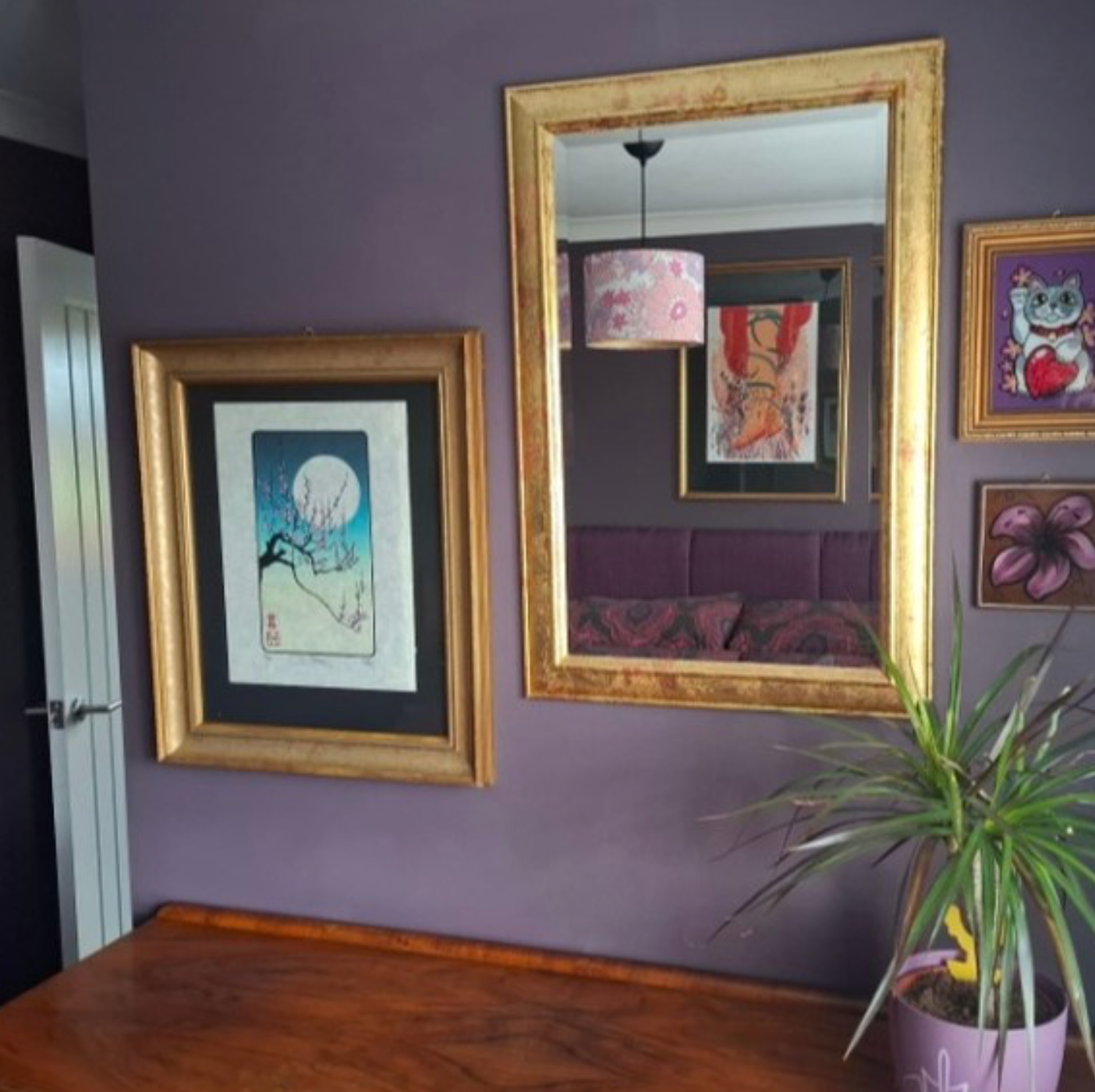
Great work by @danger_sign be sure to check out Matt’s Page!!

Back in the studio, this time preparing boards ready for the Art and Craft of Marbling workshop this Saturday. It’s the last group marbling class for this year and I can’t wait!
Looking forward to meeting some new students from the world of art conservation.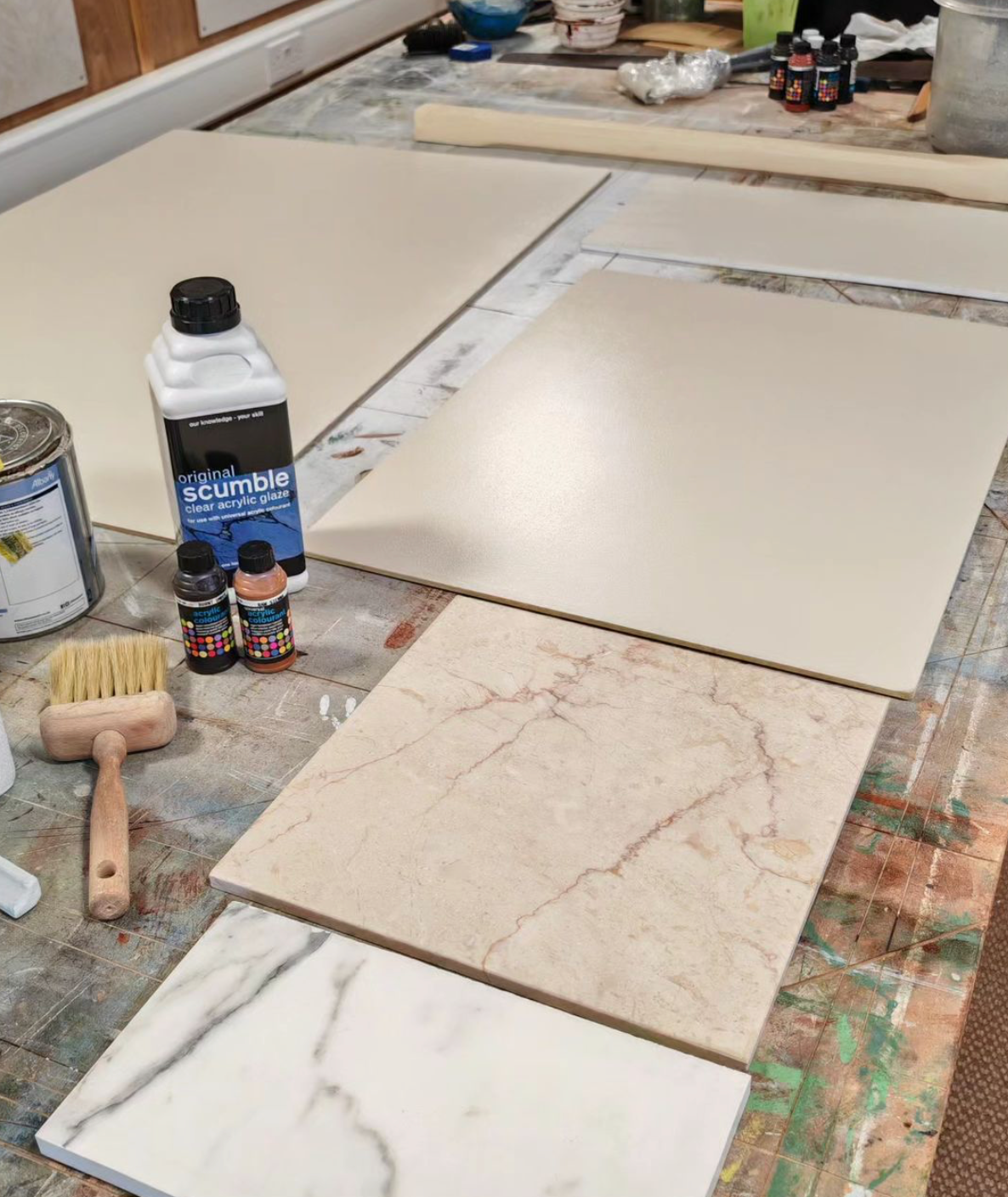
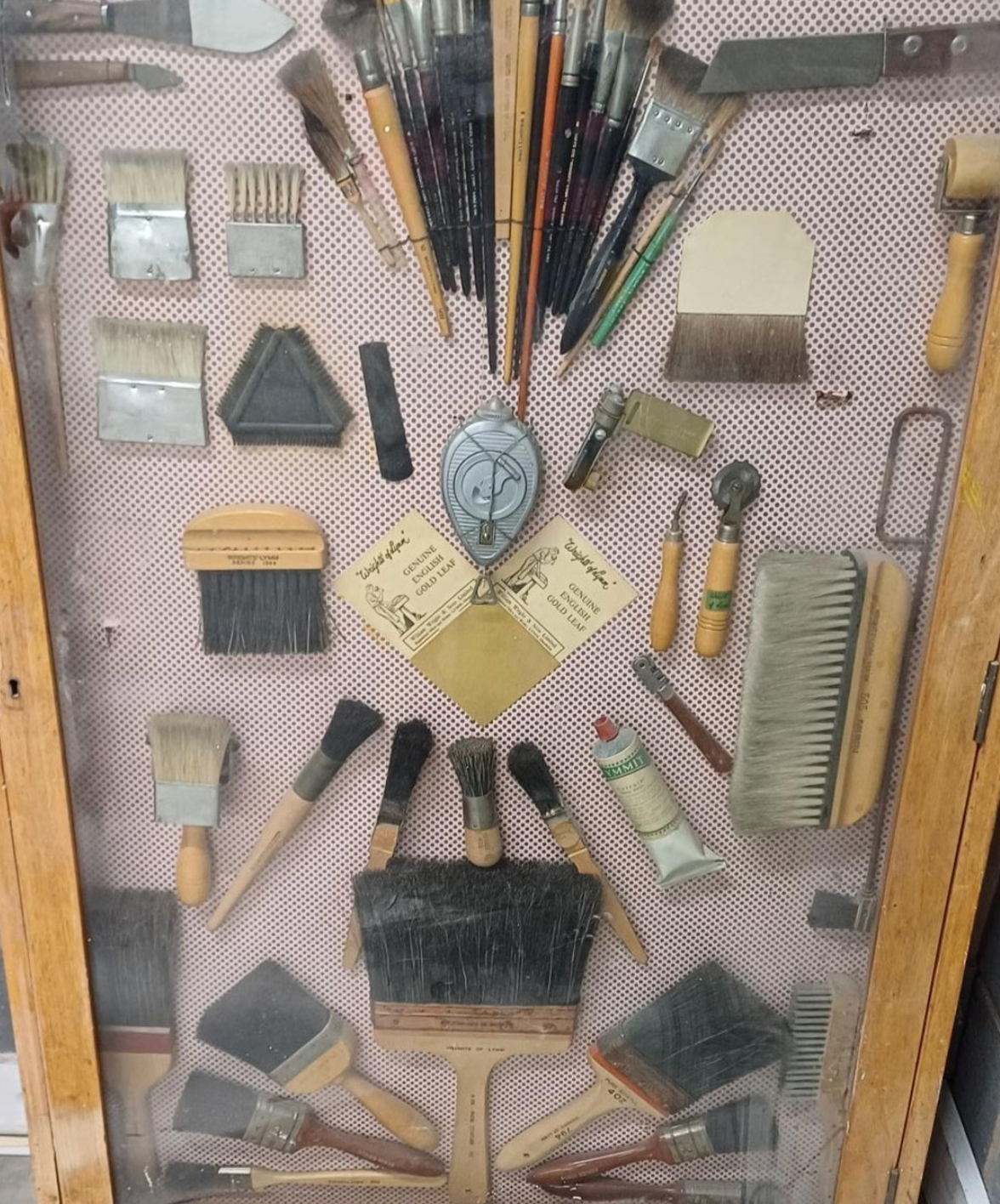
Always nice to be sent a photo from @cityofwolverhamptoncollege of our products over the years framed!
“Wrights of Lymm cabinet dating back to the 50’s when at the time, we had around 100 of these cabinets made and presented to the colleges up and down the UK doing Painting & Decorating courses to show the students the products used and where they could purchase them from. This cabinet is still on display in the City of Wolverhampton College. Thanks to Julie the Technician at the college for sharing the photo.”
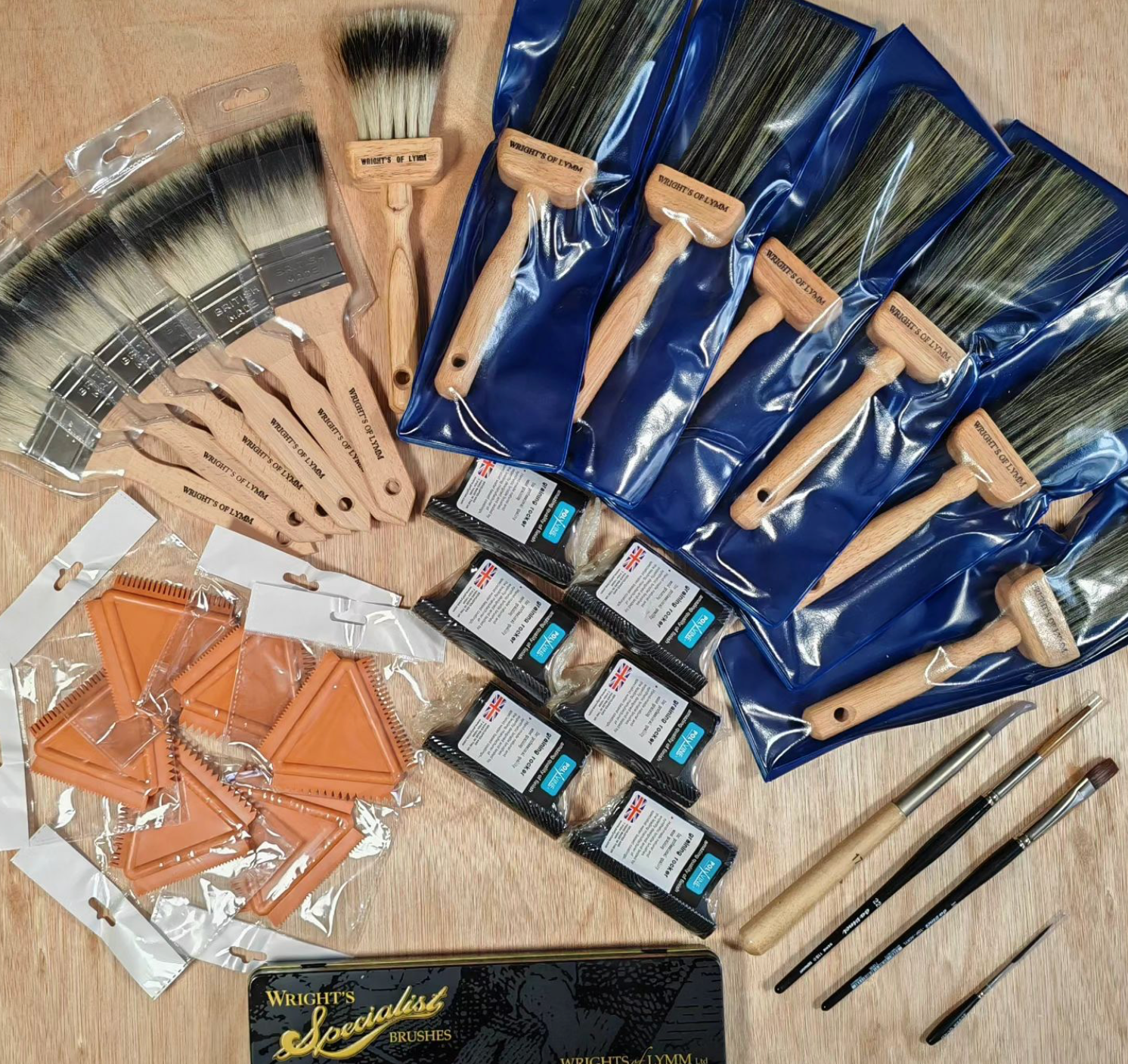
Very exciting! New tools and brushes arrived in the studio! Just in time for the wood graining workshop this weekend.
#woodgraining #painteffectsartist #studioworkshops#southcoaststudio #marblingandgrainingclass #heritagecrafts#trysomethingnewtoday
Great work by @nofrescoyo such talented work be sure to check out Austin’s page!!
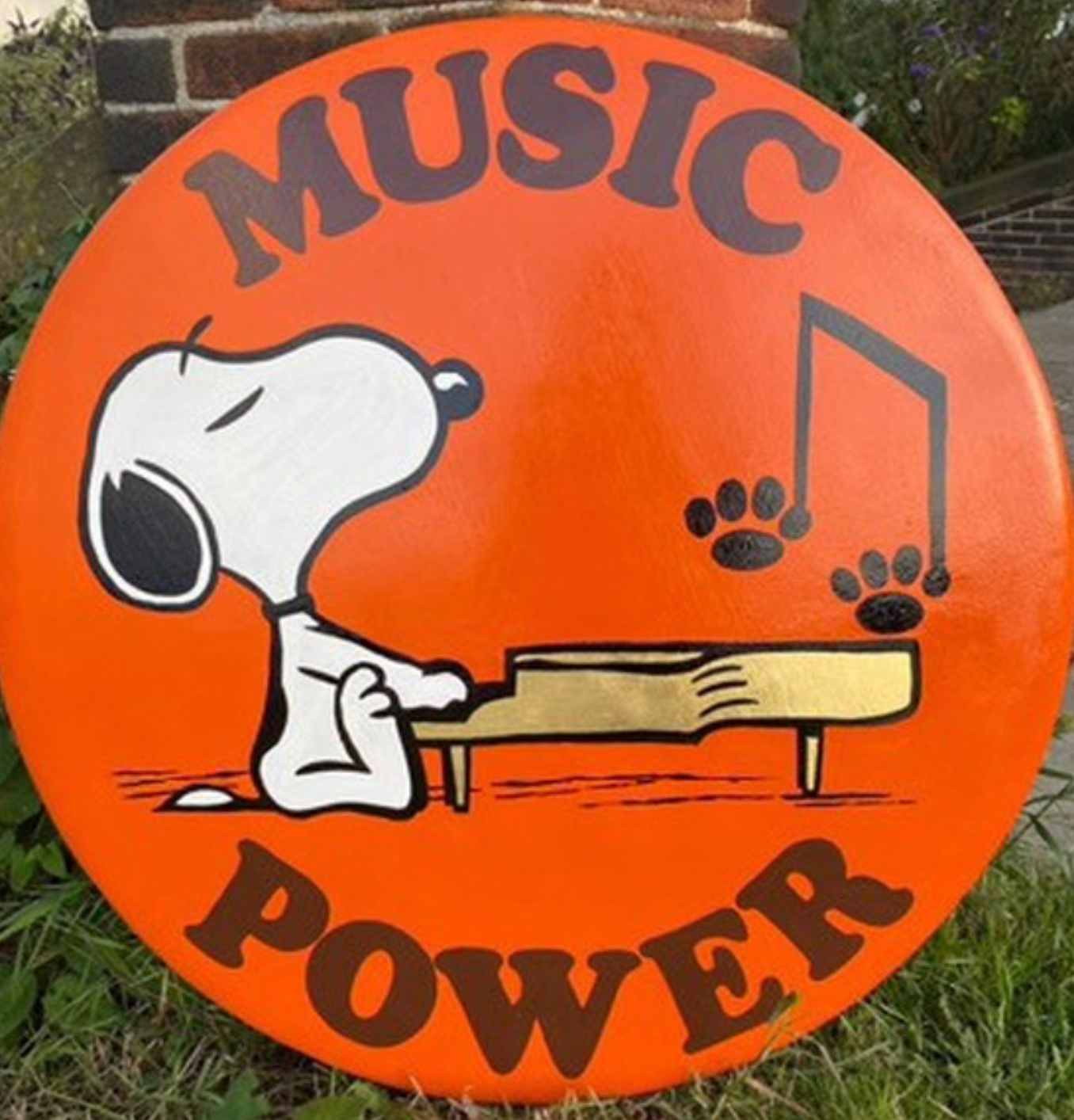
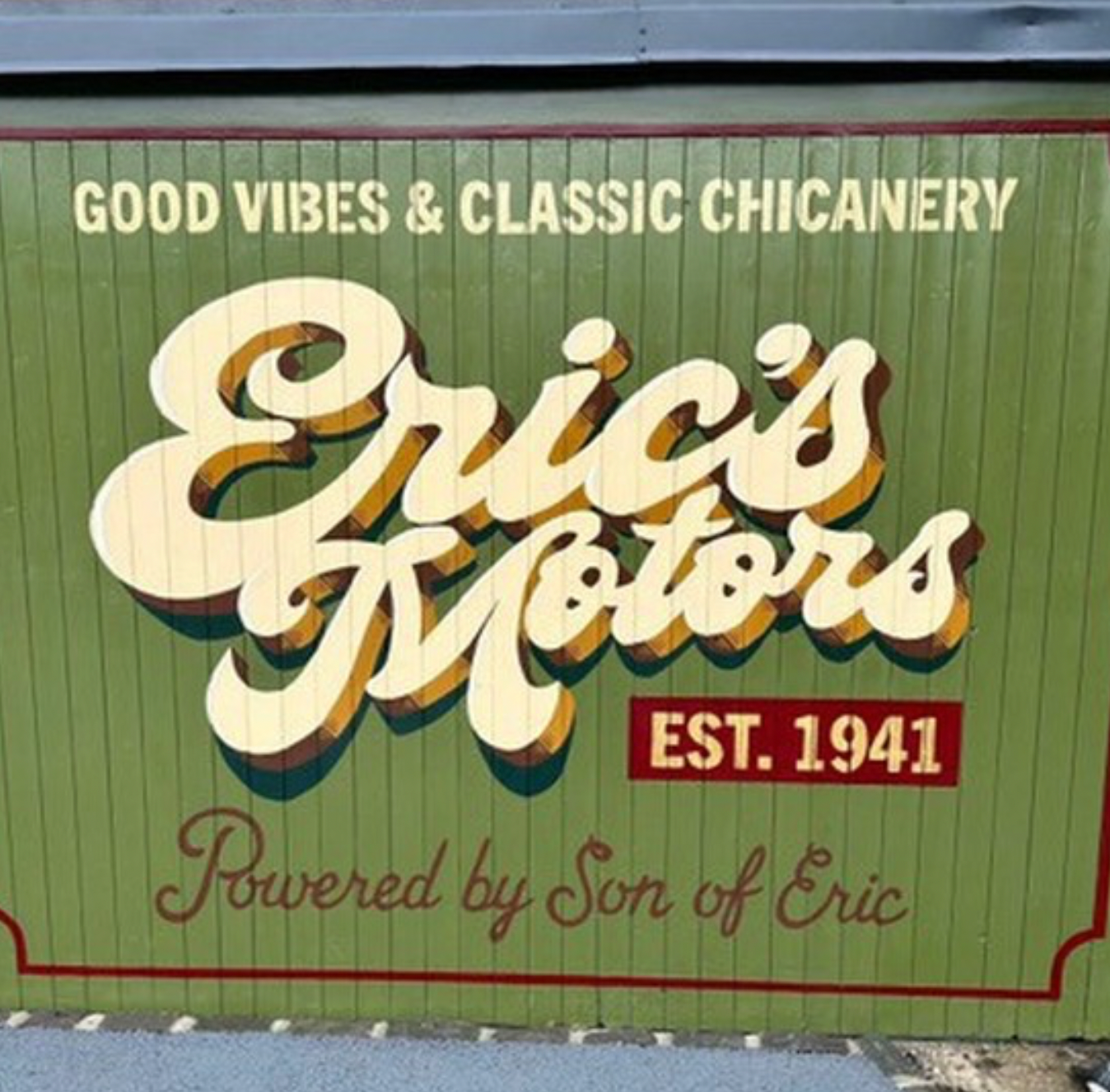
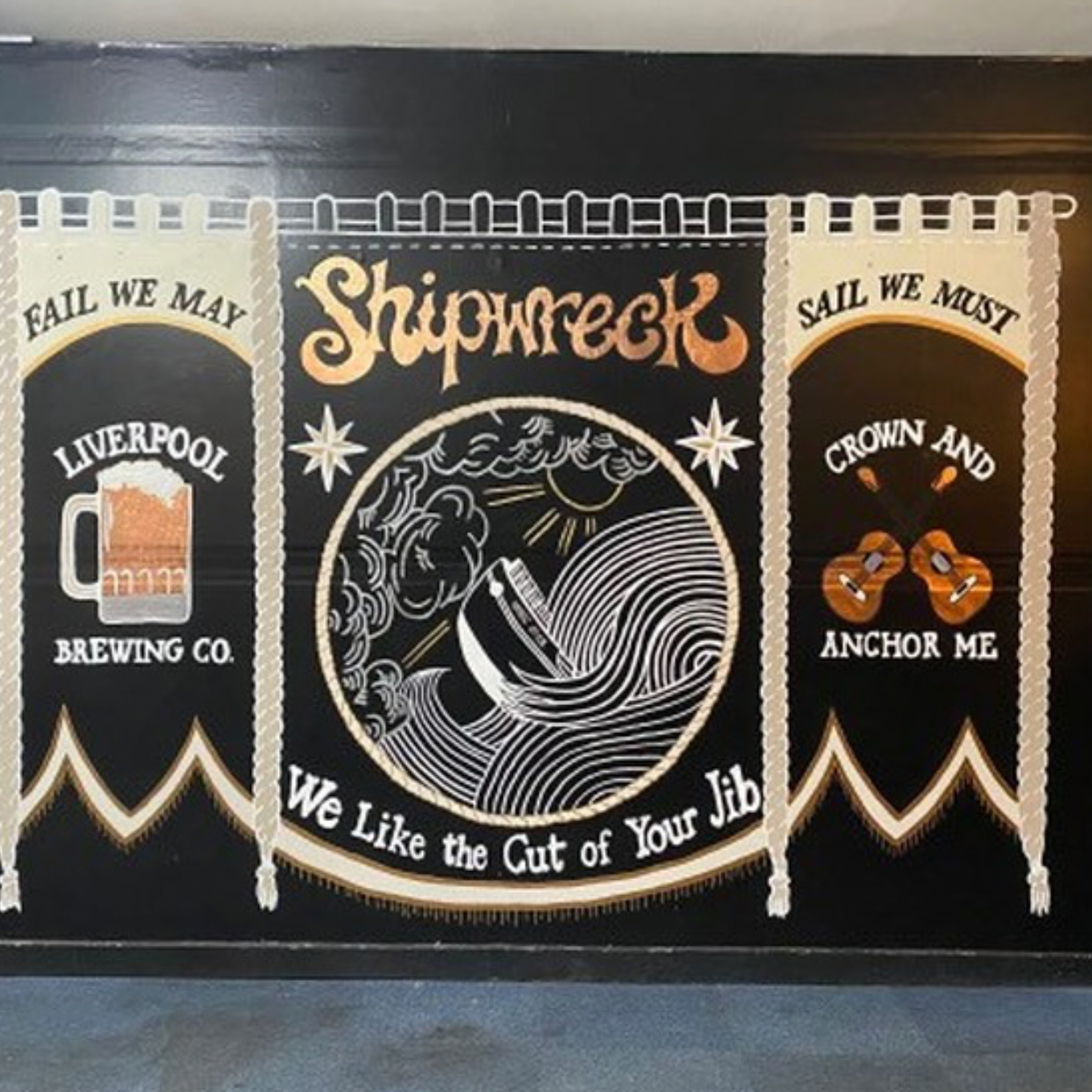

When it comes to adding a touch of luxury and refinement to interior design, art, and restoration, metallic finishes like silver leaf and gold leaf are often top choices. Both materials have been used for centuries, bringing elegance to ceilings, frames, sculptures, and architectural details. But how do you choose the right one for your project? At Wrights of Lymm, we specialise in both gold leaf and silver leaf gilding, so we can guide you through the differences in appearance, durability, and the ideal applications for each.
Gold Leaf
Gold leaf offers a classic, warm, and rich lustre. Depending on the carat, the hue can range from deep yellow to lighter shades of gold. Traditionally associated with opulence, gold leaf works beautifully in settings that aim to convey a sense of grandeur. Whether you’re restoring historic buildings or creating statement pieces, gold leaf instantly elevates the design with its luxurious glow. Because pure gold does not tarnish, its brilliance will last indefinitely.
Silver Leaf
Silver leaf, on the other hand, provides a cooler, more subtle sheen compared to the vibrant glow of gold. It creates a modern, sleek look and pairs well with contemporary or minimalist interiors. However, silver leaf is often made from real silver or aluminium, which means it may tarnish over time if not properly sealed. For those who prefer a slightly toned-down elegance with a touch of modernity, silver leaf can be the perfect choice.
Gold Leaf Durability
Gold leaf is incredibly durable, especially when made from higher-carat gold. Because gold is a non-reactive metal, it doesn’t oxidise or tarnish, making it ideal for long-term applications in both interior and exterior environments. Whether used on domes, furniture, or art, gold leaf maintains its beauty for generations. However, it is also delicate and should be applied by professionals to ensure a flawless finish and maximum longevity.
Silver Leaf Durability
Silver leaf is typically less durable than gold because silver oxidises over time, leading to tarnishing. To prevent this, we at Wrights of Lymm apply a protective varnish or lacquer, which helps maintain its shine for years. However, silver leaf is more prone to damage in outdoor settings or high-humidity areas unless well-sealed. If used in the right context and maintained properly, it can be a long-lasting and stunning addition to your project.
Gold Leaf: Traditional and Timeless
Gold leaf is ideal for projects where traditional elegance or historical accuracy is required. It’s often used in the restoration of heritage buildings, religious spaces, and period homes. Additionally, gold leaf is perfect for accentuating architectural details such as columns, cornices, and mouldings. In fine art, gold leaf is a favourite among icon painters and those looking to add intricate details to sculptures and frames. Its timeless appeal ensures that it works well in both classic and modern settings.
Silver Leaf: Modern and Understated
Silver leaf is often chosen for its contemporary feel. It works beautifully in sleek, modern interiors where subtlety is key. Silver leaf is an excellent choice for furniture, mirrors, and modern artwork, offering an understated yet sophisticated look. It can also be used in combination with other metals like gold for a unique, mixed-metal aesthetic. While its delicate shine makes it a favourite in minimalist designs, it also works well in more eclectic interiors, providing a fresh alternative to the traditional look of gold.
Gold Leaf
Due to its high value, gold leaf is generally more expensive than silver leaf. The price varies depending on the carat—higher-carat gold costs more but offers a richer appearance and increased durability. While gold leaf is an investment, its long-lasting beauty and prestige often justify the expense, especially in projects aiming to create a luxurious or high-end feel.
Silver Leaf
Silver leaf is more affordable than gold leaf, making it a great option for those who want a metallic finish without the higher price tag. Though it requires more maintenance than gold leaf, the overall cost remains lower, making it accessible for a variety of projects. It is particularly suitable for those seeking to add a modern touch to their interiors without a significant financial commitment.
Both gold leaf and silver leaf are frequently used in restoration projects, but the choice of material depends largely on the historical accuracy and the aesthetic goals. For example, if you’re restoring a heritage property, gold leaf might be the preferred choice to match original design elements. Conversely, silver leaf can be used to modernise or refresh certain features while still maintaining a high level of craftsmanship.
At Wrights of Lymm, we have decades of experience in gilding and restoration, ensuring that your project is completed to the highest standards, whether you’re looking to preserve historical accuracy or introduce a modern twist.
Choosing between silver leaf and gold leaf depends on several factors, including the aesthetic you want to achieve, the location of the project, and your budget. Gold leaf offers timeless elegance and unbeatable durability, making it perfect for traditional or high-end designs. Silver leaf, on the other hand, offers a modern and sleek alternative that fits well with contemporary spaces.
If you’re still unsure which finish is right for your project, we’d be happy to help. At Wrights of Lymm, we pride ourselves on providing expert gilding services, using only the finest materials. Whether you’re working on a piece of art, a piece of furniture, or a large-scale restoration project, our skilled craftsmen will ensure that every detail is perfect.
Contact us today to learn more about our gold leaf and silver leaf services. Let us help bring your vision to life with the timeless elegance of metallic leaf finishes.
At Wrights of Lymm, we understand the intricacies of achieving a flawless gilded finish, whether it’s for gold leaf or silver leaf. A high-quality gilding project requires not only skilled craftsmanship but also the right tools and materials. Whether you’re a professional gilder or a hobbyist, knowing the essential gilding products is key to success. In this guide, we’ll explore the vital components for professional gilding, including gold and silver leaf sheets, brushes, adhesives, and sealants.
Gold Leaf
Gold leaf is a thin layer of gold that can be applied to surfaces to create a luxurious, gleaming finish. At Wrights of Lymm, we offer a range of high-carat gold leaf sheets that are perfect for intricate projects, whether it’s art, furniture, or architectural details. Gold leaf comes in various carat levels, with 24-carat being the purest and most lustrous. Lower-carat gold leaf, such as 22 or 18 carat, may contain other metals like copper or silver, creating different shades and textures.
Silver Leaf
Silver leaf, while not as opulent as gold, offers a stunning, cool-toned metallic finish ideal for modern and minimalist designs. Silver leaf can be made from real silver or more affordable metals like aluminium. Since silver tarnishes over time, especially in high-humidity environments, a protective layer of varnish or sealant is often required to maintain its shine. At Wrights of Lymm, we recommend high-quality silver leaf sheets to achieve a sleek, refined look.
To achieve the smooth and even application of gold or silver leaf, specialised brushes are a must. Here are the key types:
Gilder’s Tip Brush
A gilder’s tip brush is designed specifically for picking up and placing delicate leaf sheets onto surfaces. The bristles are usually made from soft hair, such as squirrel or mongoose, allowing the gilder to handle the thin metallic sheets without tearing them. These brushes are available in different widths to accommodate various project sizes.
Soft Mop Brush
After laying down the gold or silver leaf, a soft mop brush is used to smooth out wrinkles and ensure proper adhesion. The ultra-soft bristles help to press the leaf onto the adhesive without damaging the surface, ensuring a seamless finish.
Burnishing Brush
Once the leaf is applied and dry, burnishing brushes or tools are used to polish the surface to a high shine. At Wrights of Lymm, we offer burnishing brushes designed for gold and silver leaf, allowing you to achieve the perfect sheen and depth of colour.
Adhesive is one of the most critical components in gilding. Without proper adhesive, the leaf will not adhere well to the surface, leading to an uneven or patchy finish. Two main types of adhesives are typically used for gilding:
Water-Based Gilding Size
Water-based gilding size is a popular option for interior projects. It dries relatively quickly, allowing you to apply gold or silver leaf within a few hours. This type of adhesive is also eco-friendly and easy to clean up, making it a favourite among hobbyists and professionals alike. At Wrights of Lymm, we recommend water-based size for smaller, indoor projects that require a smooth, clean application.
Oil-Based Gilding Size
For outdoor projects or surfaces exposed to more wear and tear, oil-based gilding size is the adhesive of choice. It takes longer to dry—sometimes up to 24 hours—but offers a stronger bond and is more resistant to moisture and temperature changes. Oil-based size is perfect for exterior gilding, such as architectural features, where durability is crucial.
Once the gold or silver leaf is applied, it’s important to protect it from wear and environmental factors. A sealant or varnish serves as a protective barrier, ensuring the longevity and durability of the gilded surface.
Acrylic Varnish
Acrylic varnishes are often used for interior gilding projects. They provide a clear protective layer over the gold or silver leaf, preserving its shine while protecting it from dust, dirt, and minor abrasions. Acrylic varnishes dry quickly and are easy to apply, making them a great option for smaller indoor projects.
Shellac
For a traditional finish, shellac is commonly used in gilding. Shellac is a natural resin that provides excellent protection while enhancing the depth and brilliance of gold leaf in particular. It’s ideal for furniture, picture frames, and other decorative pieces. Shellac creates a beautiful, warm glow that complements gold leaf’s inherent richness.
Polyurethane Sealant
For outdoor or high-traffic areas, a polyurethane sealant is recommended. It provides a tougher, more durable protective coat that can withstand moisture, temperature fluctuations, and physical wear. This type of sealant is commonly used for outdoor gilding projects, such as signage, sculptures, and architectural details.
In addition to brushes, adhesives, and sealants, several other tools are essential for a successful gilding project:
Whether you’re embarking on a gilding project for the first time or are a seasoned professional, having the right gilding products is essential for achieving a high-quality finish. At Wrights of Lymm, we offer a wide range of gilding supplies, including premium gold and silver leaf sheets, specialised brushes, and the best adhesives and sealants on the market.
With decades of experience in the industry, we understand what it takes to create stunning gilded works. Our experts are always on hand to advise you on the best products for your specific project, ensuring a flawless result every time.
Contact us today to explore our full range of gilding products and services.