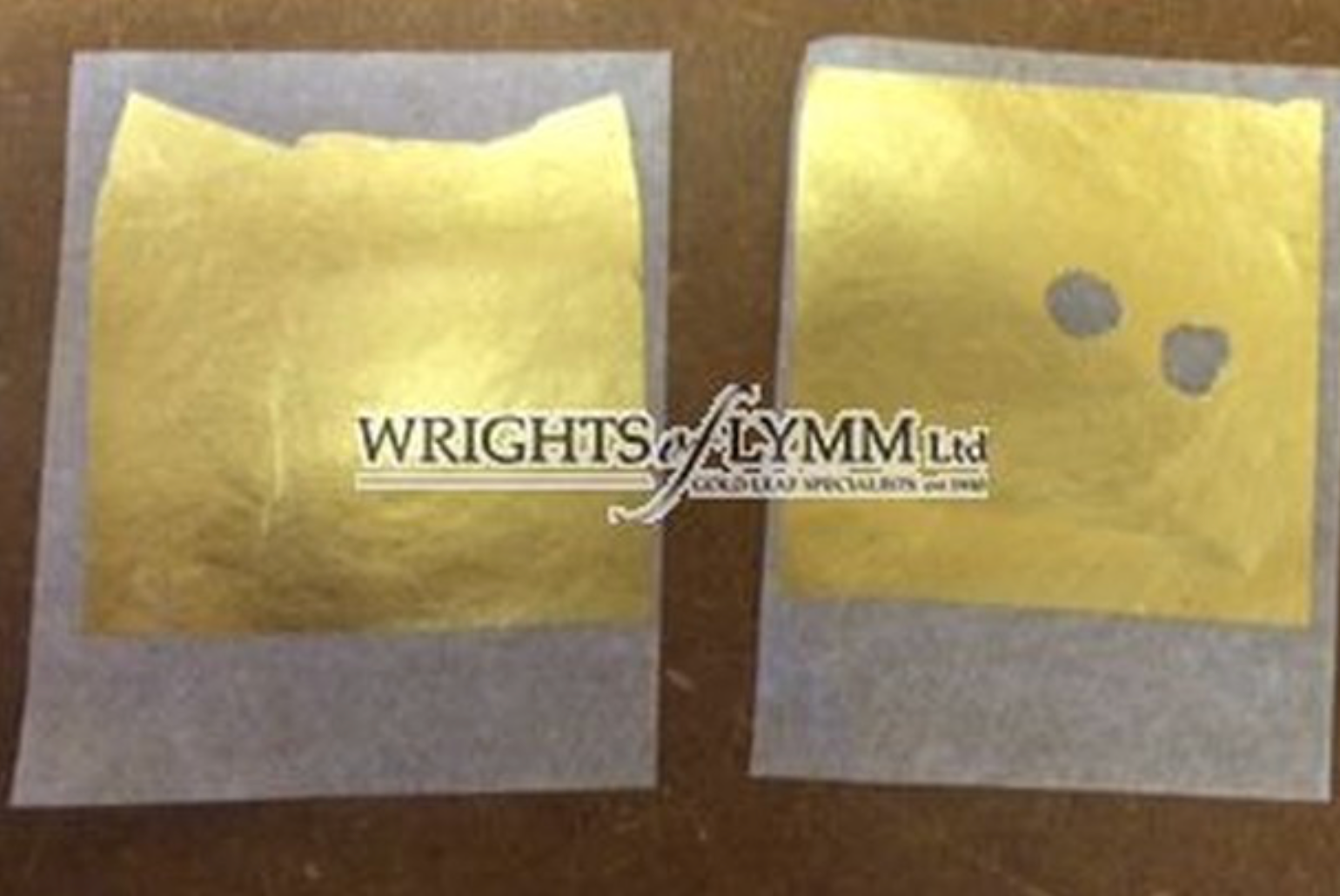
Thanks to @garyrowelldecorator for the photo!!
Always good seeing our customers receive our products!
Thanks to @garyrowelldecorator for the photo!!
Always good seeing our customers receive our products!
All Genuine Gold leaf Seconds reduced to an amazing price of just £19.95 per book, they are selling fast so grab your Black Friday deal today…..Whilst stocks last !!!
In modern interior design, luxury and simplicity often go hand in hand. One of the most stunning ways to add a touch of elegance to your home or design project is by incorporating platinum leaf – a sleek, silver-toned alternative to traditional gold leaf. At Wrights of Lymm, we specialise in metal leaf finishes that bring refinement and sophistication to any space, and platinum leaf is one of our favourite materials for achieving a minimalist, yet luxurious look.
In this article, we’ll explore how platinum leaf is being used in contemporary design, and we’ll offer practical tips on how you can incorporate this versatile material into your home, furniture, and artwork.
Platinum leaf is made from one of the rarest and most durable metals, platinum, known for its brilliant silver hue and resistance to tarnishing. It is cool, understated sheen offers a modern alternative to the warmth of gold leaf, making it perfect for interiors that emphasise clean lines, minimalism, and high-end finishes.
Unlike silver leaf, which requires frequent maintenance to prevent tarnishing, platinum leaf is more durable and retains its brilliance over time. This makes it ideal for high-traffic areas and projects where long-lasting elegance is key. Whether you’re looking to gild architectural details, create a statement wall, or elevate a piece of furniture, platinum leaf offers a fresh and contemporary aesthetic.
Platinum leaf is highly versatile and can be applied to a wide range of surfaces, including walls, ceilings, furniture, and artwork. Here are some of the ways designers and homeowners are using platinum leaf to create sophisticated, sleek spaces:
One of the most popular uses of platinum leaf in modern interior design is to create stunning accent walls or ceilings. The reflective quality of platinum leaf adds depth and dimension to any room, creating a subtle but striking effect. Whether applied in small panels or across an entire wall, platinum leaf can transform a plain space into a luxurious focal point.
For a minimalist yet dramatic look, consider applying platinum leaf to the ceiling of a living room or bedroom. The soft shimmer of the metal leaf creates an ethereal, luminous atmosphere that feels both modern and timeless.
At Wrights of Lymm, we often work with clients looking to elevate their furniture with a platinum leaf finish. Gilding furniture with platinum leaf can turn an ordinary piece into a showstopper. Whether you’re looking to refinish a modern coffee table or bring new life to an antique dresser, platinum leaf adds a layer of sophistication that’s perfect for contemporary spaces.
Pairing platinum leaf with minimalist furniture designs allows the subtle brilliance of the material to shine without overpowering the room. It’s a great way to introduce a luxurious element without sacrificing the clean, simple lines that define modern interiors.
Platinum leaf is also becoming increasingly popular in contemporary artwork. Artists are using platinum leaf to add texture, contrast, and a metallic sheen to paintings and sculptures. The cool tone of platinum complements modern art styles, enhancing both abstract and minimalist pieces.
For homeowners and designers, commissioning a custom artwork gilded with platinum leaf is a unique way to introduce luxury into a space. Whether it’s a large canvas for a living room or a small decorative piece for an entryway, platinum leaf art provides a sleek, modern accent that blends seamlessly with contemporary decor.
For a truly sophisticated touch, consider using platinum leaf on architectural details like crown mouldings, trim, and columns. Platinum leaf works beautifully in modern homes, where it can highlight clean architectural lines and add a metallic finish that elevates the entire space.
The combination of platinum leaf with minimalist architecture creates a high-end, polished look that feels both elegant and contemporary. The cool, silver tone of platinum leaf contrasts beautifully with neutral colour palettes, wood finishes, and modern materials like glass and stone.
Ready to incorporate platinum leaf into your design? Here are some expert tips from Wrights of Lymm to help you achieve a sleek, stylish finish:
At Wrights of Lymm, we’ve spent decades perfecting the art of gilding. Our skilled artisans bring unmatched expertise to every project, ensuring that your platinum leaf application is seamless and stunning. Whether you’re looking to gild a single piece of furniture or transform an entire room, we use the finest materials and techniques to create a truly luxurious finish.
From our experience with high-end interior design projects to our attention to detail, Wrights of Lymm is your trusted partner in creating elegant spaces with platinum leaf. We take pride in helping our clients bring their design visions to life, with results that are both modern and timeless.
If you’re ready to bring the elegance of platinum leaf into your home or design project, please contact us for more information. Let us help you create a space that exudes sophistication and luxury. From small accents to large-scale transformations, we’re here to guide you every step of the way.
When it comes to interior design and decorative arts, few materials carry the same allure as metal leaf. While gold leaf holds the crown for prestige, Dutch metal, often known as imitation gold leaf, offers an affordable and versatile alternative that has captured the imagination of artists, designers, and homeowners alike. At Wrights of Lymm, a specialist in gold leaf painting and gilding, we’ve seen firsthand how Dutch metal can transform spaces and projects, bringing a luxurious touch without breaking the bank.
In this article, we’ll explore the rich history of Dutch metal, its diverse applications in interior design and architecture, and why it’s become a favourite for gilding projects worldwide.
Dutch metal, often referred to as “composition gold” or “brass leaf,” is a metal alloy made from copper and zinc. Its warm golden hue closely resembles genuine gold leaf but at a fraction of the cost. It can be used in a wide range of decorative applications, including gilding, furniture restoration, and artwork.
Unlike real gold, Dutch metal tarnishes over time and requires a protective coating to maintain its shine. Despite this, its affordability and ease of use make it a popular choice for decorative finishes in homes, commercial spaces, and artistic creations.
The history of Dutch metal dates back to the 18th century, when it was first developed in Europe as a less expensive alternative to gold leaf. As gold was becoming increasingly expensive and out of reach for many, artisans and decorators sought more affordable materials that could replicate its appearance. Dutch metal, with its close resemblance to gold, quickly became a favoured choice for large-scale projects and decorative works where cost was a significant factor.
Its use spread across Europe, particularly in gilding, a technique used to apply thin layers of metal leaf to surfaces like furniture, frames, and architectural elements. Dutch metal was especially popular in the Netherlands, where it earned its name and was used to create the opulent interiors of grand homes and public buildings.
By the 19th century, Dutch metal had established itself as a reliable and beautiful substitute for gold leaf, particularly in more functional or high-traffic areas where the wear and tear would make using real gold impractical. Today, it continues to be widely used in both contemporary and traditional interior design.
One of the most exciting aspects of Dutch metal is its versatility. From grand architectural projects to the restoration of furniture and art, this metal alloy offers a wide range of applications:
Dutch metal is frequently used to gild furniture, picture frames, and mirrors. Its reflective, golden finish gives furniture an antique, luxurious feel, transforming otherwise ordinary pieces into stunning focal points. Whether it’s a chest of drawers or an ornate mirror frame, applying Dutch metal adds a layer of sophistication that echoes the lavish designs of centuries past.
For interior designers and architects looking to create dramatic, opulent spaces, Dutch metal is a go-to material for gilding larger elements like ceilings, wall mouldings, columns, and cornices. When applied to these surfaces, Dutch metal creates a rich, regal ambiance that’s reminiscent of palaces and historical estates, but at a fraction of the cost of using real gold leaf.
Dutch metal plays a crucial role in the restoration of antique items. Its ability to mimic gold leaf makes it an ideal material for restoring furniture, artworks, and decorative objects that have lost their original gilded finishes over time. At Wrights of Lymm, we often use Dutch metal to restore older pieces to their former glory, bringing new life to family heirlooms and historical treasures.
Artists also love working with Dutch metal for its flexibility and affordability. Whether it’s for sculptures, mixed media, or paintings, Dutch metal allows artists to experiment with gilding techniques without the steep cost associated with gold leaf. The metal’s ability to tarnish can also be used creatively, adding a vintage, aged effect to works of art.
While gold leaf may carry the prestige of being a precious material, Dutch metal offers several benefits that make it an attractive option for both designers and homeowners:
Interested in bringing the elegance of Dutch metal into your home or design project? Here are some ideas to get started:
At Wrights of Lymm, we pride ourselves on our expertise in gold leaf painting and Dutch metal gilding. Our team of skilled artisans has years of experience in transforming interiors, furniture, and art with the timeless beauty of metal leaf finishes. Whether you’re looking to gild an antique piece or enhance the architectural details of your home, we can provide you with the perfect solution.
Dutch metal offers a cost-effective way to achieve the same look and feel as gold leaf, and at Wrights of Lymm, we use the highest-quality materials to ensure stunning results. Ready to transform your space with Dutch metal?
If you’re interested in learning more about our Dutch metal gilding services or would like to discuss your next project, contact us for more information. Let us help you bring a touch of luxury to your home, furniture, or art with our expert gilding techniques.
Great work by @danger_sign Be sure to check out Matt’s page to see more of his brilliant work!!
Working on a super secret squirrel project, so this is all you get for now……….☠️”
#dangersign #monsterart #hotrodart #alwayshandpainted#kustomartist #pinstriper #signwriter #pinstriping#signwriting #ratherdiethanartbyai #alphanamel#stripeeverything @the_kustomkultureblastoff@alpha6paint @sabrepaintsuk
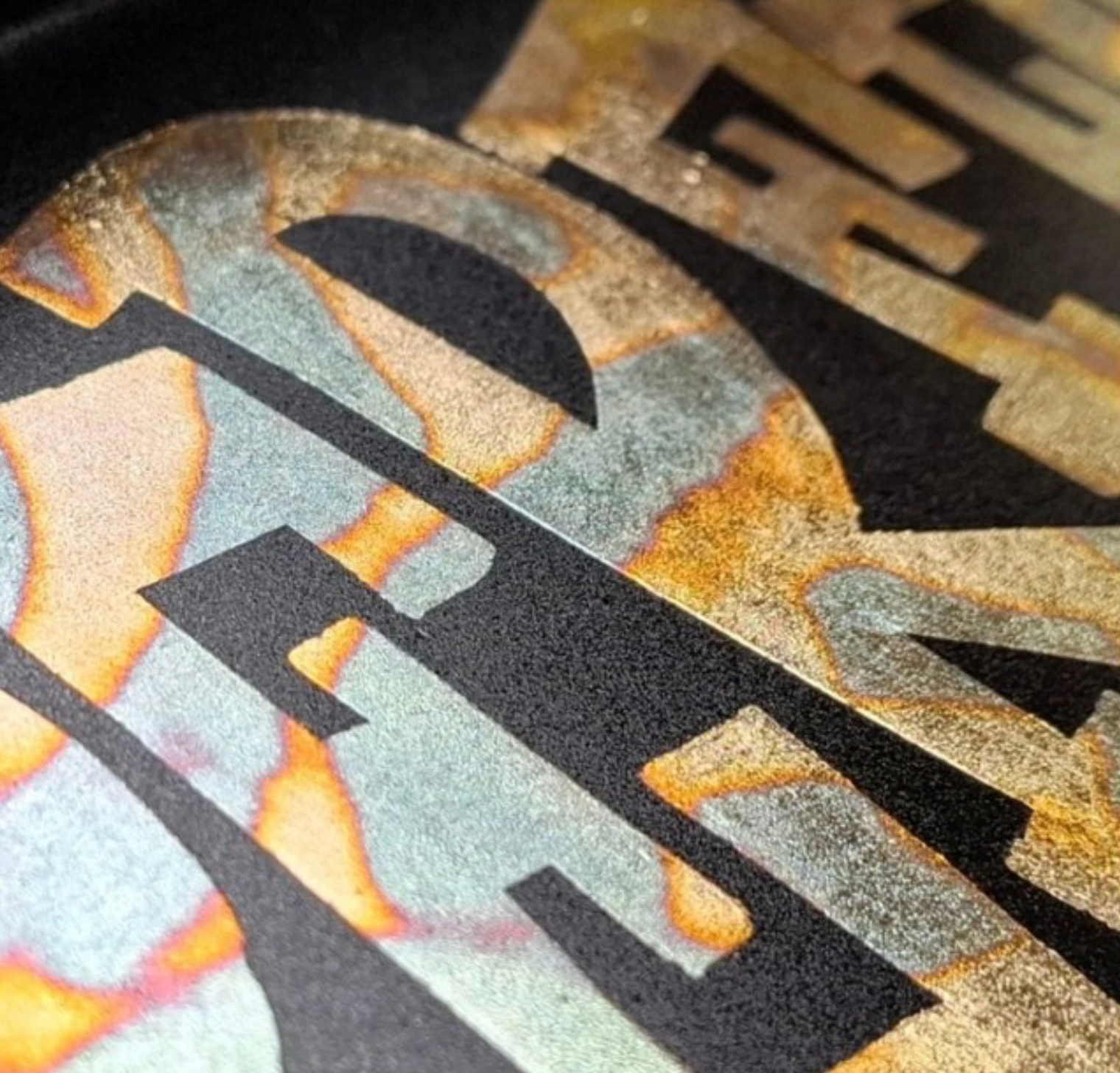
Great work by @blackfoxmetalcraft be sure to check out their page!
They have been purchasing gold leaf from us for over a decade, always nice too see our products on customers projects!!
NOVEMBER OFFER
FOR THE MONTH OF NOVEMBER, GET FREE DELIVERY FOR ANY ORDERS OVER £50 – ENTER CODE FREEDEL-50 AT CHECKOUT.

NEW DELIVERY FROM JOBY CARTER
We have just received this months delivery from Joby of his two latest books All the Fonts of the Fair and Signwriting Tips, Tricks & Inspiration.
Check out our website to get yours!!

With Gold currently at an all time high, grab yourself a bargain with our Gold Leaf seconds at reduced prices !!!
https://www.stonehouses.co.uk/special-offers/gold-leaf.html