⛄Christmas Special Offer⛄
20% Discount on all Starter Kits.
ENTER CODE KIT-20 at checkout.
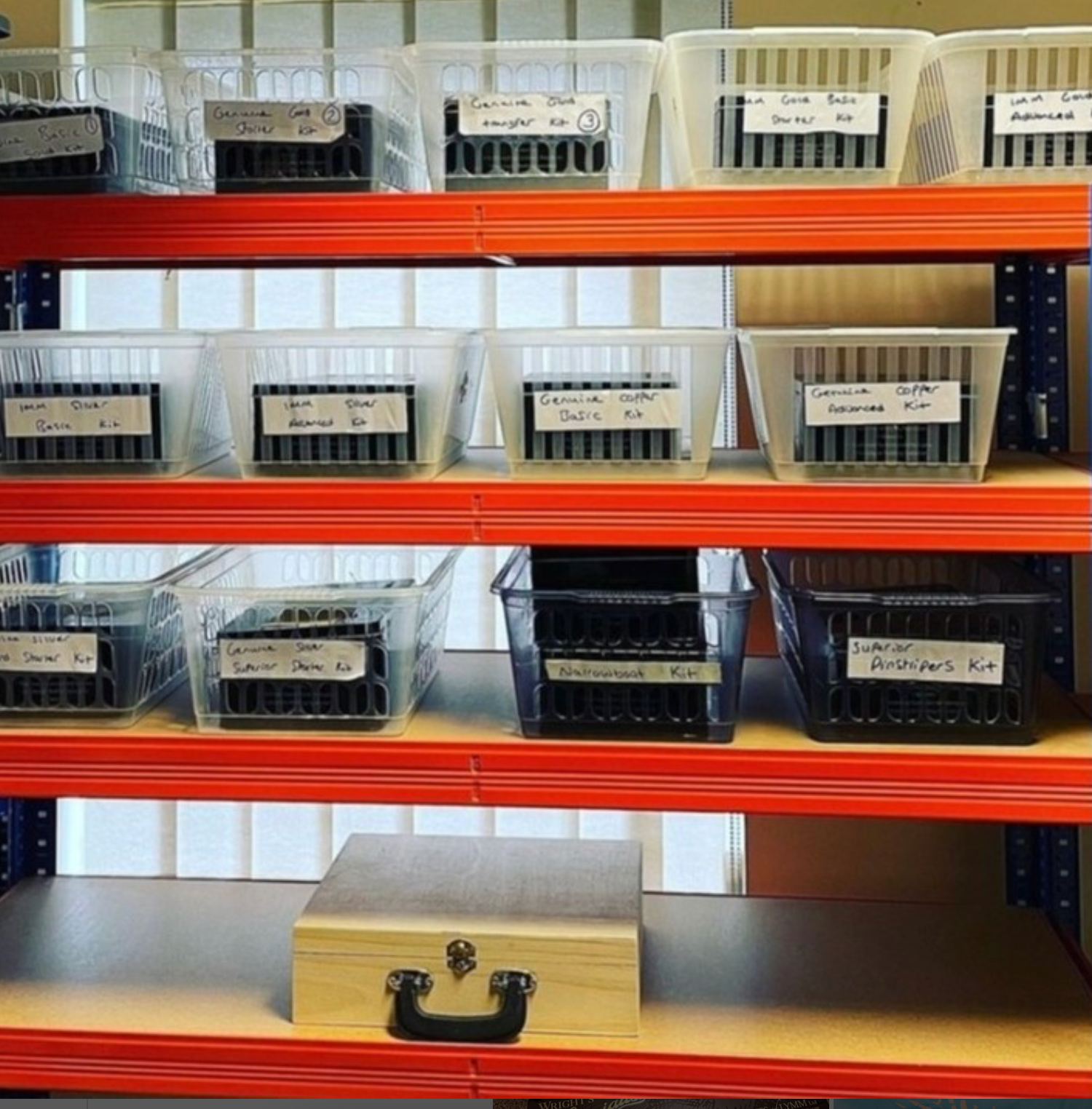
⛄Christmas Special Offer⛄
20% Discount on all Starter Kits.
ENTER CODE KIT-20 at checkout.
In modern interior design, luxury and simplicity often go hand in hand. One of the most stunning ways to add a touch of elegance to your home or design project is by incorporating platinum leaf – a sleek, silver-toned alternative to traditional gold leaf. At Wrights of Lymm, we specialise in metal leaf finishes that bring refinement and sophistication to any space, and platinum leaf is one of our favourite materials for achieving a minimalist, yet luxurious look.
In this article, we’ll explore how platinum leaf is being used in contemporary design, and we’ll offer practical tips on how you can incorporate this versatile material into your home, furniture, and artwork.
Platinum leaf is made from one of the rarest and most durable metals, platinum, known for its brilliant silver hue and resistance to tarnishing. It is cool, understated sheen offers a modern alternative to the warmth of gold leaf, making it perfect for interiors that emphasise clean lines, minimalism, and high-end finishes.
Unlike silver leaf, which requires frequent maintenance to prevent tarnishing, platinum leaf is more durable and retains its brilliance over time. This makes it ideal for high-traffic areas and projects where long-lasting elegance is key. Whether you’re looking to gild architectural details, create a statement wall, or elevate a piece of furniture, platinum leaf offers a fresh and contemporary aesthetic.
Platinum leaf is highly versatile and can be applied to a wide range of surfaces, including walls, ceilings, furniture, and artwork. Here are some of the ways designers and homeowners are using platinum leaf to create sophisticated, sleek spaces:
One of the most popular uses of platinum leaf in modern interior design is to create stunning accent walls or ceilings. The reflective quality of platinum leaf adds depth and dimension to any room, creating a subtle but striking effect. Whether applied in small panels or across an entire wall, platinum leaf can transform a plain space into a luxurious focal point.
For a minimalist yet dramatic look, consider applying platinum leaf to the ceiling of a living room or bedroom. The soft shimmer of the metal leaf creates an ethereal, luminous atmosphere that feels both modern and timeless.
At Wrights of Lymm, we often work with clients looking to elevate their furniture with a platinum leaf finish. Gilding furniture with platinum leaf can turn an ordinary piece into a showstopper. Whether you’re looking to refinish a modern coffee table or bring new life to an antique dresser, platinum leaf adds a layer of sophistication that’s perfect for contemporary spaces.
Pairing platinum leaf with minimalist furniture designs allows the subtle brilliance of the material to shine without overpowering the room. It’s a great way to introduce a luxurious element without sacrificing the clean, simple lines that define modern interiors.
Platinum leaf is also becoming increasingly popular in contemporary artwork. Artists are using platinum leaf to add texture, contrast, and a metallic sheen to paintings and sculptures. The cool tone of platinum complements modern art styles, enhancing both abstract and minimalist pieces.
For homeowners and designers, commissioning a custom artwork gilded with platinum leaf is a unique way to introduce luxury into a space. Whether it’s a large canvas for a living room or a small decorative piece for an entryway, platinum leaf art provides a sleek, modern accent that blends seamlessly with contemporary decor.
For a truly sophisticated touch, consider using platinum leaf on architectural details like crown mouldings, trim, and columns. Platinum leaf works beautifully in modern homes, where it can highlight clean architectural lines and add a metallic finish that elevates the entire space.
The combination of platinum leaf with minimalist architecture creates a high-end, polished look that feels both elegant and contemporary. The cool, silver tone of platinum leaf contrasts beautifully with neutral colour palettes, wood finishes, and modern materials like glass and stone.
Ready to incorporate platinum leaf into your design? Here are some expert tips from Wrights of Lymm to help you achieve a sleek, stylish finish:
At Wrights of Lymm, we’ve spent decades perfecting the art of gilding. Our skilled artisans bring unmatched expertise to every project, ensuring that your platinum leaf application is seamless and stunning. Whether you’re looking to gild a single piece of furniture or transform an entire room, we use the finest materials and techniques to create a truly luxurious finish.
From our experience with high-end interior design projects to our attention to detail, Wrights of Lymm is your trusted partner in creating elegant spaces with platinum leaf. We take pride in helping our clients bring their design visions to life, with results that are both modern and timeless.
If you’re ready to bring the elegance of platinum leaf into your home or design project, please contact us for more information. Let us help you create a space that exudes sophistication and luxury. From small accents to large-scale transformations, we’re here to guide you every step of the way.
When it comes to interior design and decorative arts, few materials carry the same allure as metal leaf. While gold leaf holds the crown for prestige, Dutch metal, often known as imitation gold leaf, offers an affordable and versatile alternative that has captured the imagination of artists, designers, and homeowners alike. At Wrights of Lymm, a specialist in gold leaf painting and gilding, we’ve seen firsthand how Dutch metal can transform spaces and projects, bringing a luxurious touch without breaking the bank.
In this article, we’ll explore the rich history of Dutch metal, its diverse applications in interior design and architecture, and why it’s become a favourite for gilding projects worldwide.
Dutch metal, often referred to as “composition gold” or “brass leaf,” is a metal alloy made from copper and zinc. Its warm golden hue closely resembles genuine gold leaf but at a fraction of the cost. It can be used in a wide range of decorative applications, including gilding, furniture restoration, and artwork.
Unlike real gold, Dutch metal tarnishes over time and requires a protective coating to maintain its shine. Despite this, its affordability and ease of use make it a popular choice for decorative finishes in homes, commercial spaces, and artistic creations.
The history of Dutch metal dates back to the 18th century, when it was first developed in Europe as a less expensive alternative to gold leaf. As gold was becoming increasingly expensive and out of reach for many, artisans and decorators sought more affordable materials that could replicate its appearance. Dutch metal, with its close resemblance to gold, quickly became a favoured choice for large-scale projects and decorative works where cost was a significant factor.
Its use spread across Europe, particularly in gilding, a technique used to apply thin layers of metal leaf to surfaces like furniture, frames, and architectural elements. Dutch metal was especially popular in the Netherlands, where it earned its name and was used to create the opulent interiors of grand homes and public buildings.
By the 19th century, Dutch metal had established itself as a reliable and beautiful substitute for gold leaf, particularly in more functional or high-traffic areas where the wear and tear would make using real gold impractical. Today, it continues to be widely used in both contemporary and traditional interior design.
One of the most exciting aspects of Dutch metal is its versatility. From grand architectural projects to the restoration of furniture and art, this metal alloy offers a wide range of applications:
Dutch metal is frequently used to gild furniture, picture frames, and mirrors. Its reflective, golden finish gives furniture an antique, luxurious feel, transforming otherwise ordinary pieces into stunning focal points. Whether it’s a chest of drawers or an ornate mirror frame, applying Dutch metal adds a layer of sophistication that echoes the lavish designs of centuries past.
For interior designers and architects looking to create dramatic, opulent spaces, Dutch metal is a go-to material for gilding larger elements like ceilings, wall mouldings, columns, and cornices. When applied to these surfaces, Dutch metal creates a rich, regal ambiance that’s reminiscent of palaces and historical estates, but at a fraction of the cost of using real gold leaf.
Dutch metal plays a crucial role in the restoration of antique items. Its ability to mimic gold leaf makes it an ideal material for restoring furniture, artworks, and decorative objects that have lost their original gilded finishes over time. At Wrights of Lymm, we often use Dutch metal to restore older pieces to their former glory, bringing new life to family heirlooms and historical treasures.
Artists also love working with Dutch metal for its flexibility and affordability. Whether it’s for sculptures, mixed media, or paintings, Dutch metal allows artists to experiment with gilding techniques without the steep cost associated with gold leaf. The metal’s ability to tarnish can also be used creatively, adding a vintage, aged effect to works of art.
While gold leaf may carry the prestige of being a precious material, Dutch metal offers several benefits that make it an attractive option for both designers and homeowners:
Interested in bringing the elegance of Dutch metal into your home or design project? Here are some ideas to get started:
At Wrights of Lymm, we pride ourselves on our expertise in gold leaf painting and Dutch metal gilding. Our team of skilled artisans has years of experience in transforming interiors, furniture, and art with the timeless beauty of metal leaf finishes. Whether you’re looking to gild an antique piece or enhance the architectural details of your home, we can provide you with the perfect solution.
Dutch metal offers a cost-effective way to achieve the same look and feel as gold leaf, and at Wrights of Lymm, we use the highest-quality materials to ensure stunning results. Ready to transform your space with Dutch metal?
If you’re interested in learning more about our Dutch metal gilding services or would like to discuss your next project, contact us for more information. Let us help you bring a touch of luxury to your home, furniture, or art with our expert gilding techniques.
Great work by @blackfoxmetalcraft be sure to check out their page!
They have been purchasing gold leaf from us for over a decade, always nice too see our products on customers projects!!
NOVEMBER OFFER
FOR THE MONTH OF NOVEMBER, GET FREE DELIVERY FOR ANY ORDERS OVER £50 – ENTER CODE FREEDEL-50 AT CHECKOUT.

When it comes to adding a touch of luxury and refinement to interior design, art, and restoration, metallic finishes like silver leaf and gold leaf are often top choices. Both materials have been used for centuries, bringing elegance to ceilings, frames, sculptures, and architectural details. But how do you choose the right one for your project? At Wrights of Lymm, we specialise in both gold leaf and silver leaf gilding, so we can guide you through the differences in appearance, durability, and the ideal applications for each.
Gold Leaf
Gold leaf offers a classic, warm, and rich lustre. Depending on the carat, the hue can range from deep yellow to lighter shades of gold. Traditionally associated with opulence, gold leaf works beautifully in settings that aim to convey a sense of grandeur. Whether you’re restoring historic buildings or creating statement pieces, gold leaf instantly elevates the design with its luxurious glow. Because pure gold does not tarnish, its brilliance will last indefinitely.
Silver Leaf
Silver leaf, on the other hand, provides a cooler, more subtle sheen compared to the vibrant glow of gold. It creates a modern, sleek look and pairs well with contemporary or minimalist interiors. However, silver leaf is often made from real silver or aluminium, which means it may tarnish over time if not properly sealed. For those who prefer a slightly toned-down elegance with a touch of modernity, silver leaf can be the perfect choice.
Gold Leaf Durability
Gold leaf is incredibly durable, especially when made from higher-carat gold. Because gold is a non-reactive metal, it doesn’t oxidise or tarnish, making it ideal for long-term applications in both interior and exterior environments. Whether used on domes, furniture, or art, gold leaf maintains its beauty for generations. However, it is also delicate and should be applied by professionals to ensure a flawless finish and maximum longevity.
Silver Leaf Durability
Silver leaf is typically less durable than gold because silver oxidises over time, leading to tarnishing. To prevent this, we at Wrights of Lymm apply a protective varnish or lacquer, which helps maintain its shine for years. However, silver leaf is more prone to damage in outdoor settings or high-humidity areas unless well-sealed. If used in the right context and maintained properly, it can be a long-lasting and stunning addition to your project.
Gold Leaf: Traditional and Timeless
Gold leaf is ideal for projects where traditional elegance or historical accuracy is required. It’s often used in the restoration of heritage buildings, religious spaces, and period homes. Additionally, gold leaf is perfect for accentuating architectural details such as columns, cornices, and mouldings. In fine art, gold leaf is a favourite among icon painters and those looking to add intricate details to sculptures and frames. Its timeless appeal ensures that it works well in both classic and modern settings.
Silver Leaf: Modern and Understated
Silver leaf is often chosen for its contemporary feel. It works beautifully in sleek, modern interiors where subtlety is key. Silver leaf is an excellent choice for furniture, mirrors, and modern artwork, offering an understated yet sophisticated look. It can also be used in combination with other metals like gold for a unique, mixed-metal aesthetic. While its delicate shine makes it a favourite in minimalist designs, it also works well in more eclectic interiors, providing a fresh alternative to the traditional look of gold.
Gold Leaf
Due to its high value, gold leaf is generally more expensive than silver leaf. The price varies depending on the carat—higher-carat gold costs more but offers a richer appearance and increased durability. While gold leaf is an investment, its long-lasting beauty and prestige often justify the expense, especially in projects aiming to create a luxurious or high-end feel.
Silver Leaf
Silver leaf is more affordable than gold leaf, making it a great option for those who want a metallic finish without the higher price tag. Though it requires more maintenance than gold leaf, the overall cost remains lower, making it accessible for a variety of projects. It is particularly suitable for those seeking to add a modern touch to their interiors without a significant financial commitment.
Both gold leaf and silver leaf are frequently used in restoration projects, but the choice of material depends largely on the historical accuracy and the aesthetic goals. For example, if you’re restoring a heritage property, gold leaf might be the preferred choice to match original design elements. Conversely, silver leaf can be used to modernise or refresh certain features while still maintaining a high level of craftsmanship.
At Wrights of Lymm, we have decades of experience in gilding and restoration, ensuring that your project is completed to the highest standards, whether you’re looking to preserve historical accuracy or introduce a modern twist.
Choosing between silver leaf and gold leaf depends on several factors, including the aesthetic you want to achieve, the location of the project, and your budget. Gold leaf offers timeless elegance and unbeatable durability, making it perfect for traditional or high-end designs. Silver leaf, on the other hand, offers a modern and sleek alternative that fits well with contemporary spaces.
If you’re still unsure which finish is right for your project, we’d be happy to help. At Wrights of Lymm, we pride ourselves on providing expert gilding services, using only the finest materials. Whether you’re working on a piece of art, a piece of furniture, or a large-scale restoration project, our skilled craftsmen will ensure that every detail is perfect.
Contact us today to learn more about our gold leaf and silver leaf services. Let us help bring your vision to life with the timeless elegance of metallic leaf finishes.
At Wrights of Lymm, we understand the intricacies of achieving a flawless gilded finish, whether it’s for gold leaf or silver leaf. A high-quality gilding project requires not only skilled craftsmanship but also the right tools and materials. Whether you’re a professional gilder or a hobbyist, knowing the essential gilding products is key to success. In this guide, we’ll explore the vital components for professional gilding, including gold and silver leaf sheets, brushes, adhesives, and sealants.
Gold Leaf
Gold leaf is a thin layer of gold that can be applied to surfaces to create a luxurious, gleaming finish. At Wrights of Lymm, we offer a range of high-carat gold leaf sheets that are perfect for intricate projects, whether it’s art, furniture, or architectural details. Gold leaf comes in various carat levels, with 24-carat being the purest and most lustrous. Lower-carat gold leaf, such as 22 or 18 carat, may contain other metals like copper or silver, creating different shades and textures.
Silver Leaf
Silver leaf, while not as opulent as gold, offers a stunning, cool-toned metallic finish ideal for modern and minimalist designs. Silver leaf can be made from real silver or more affordable metals like aluminium. Since silver tarnishes over time, especially in high-humidity environments, a protective layer of varnish or sealant is often required to maintain its shine. At Wrights of Lymm, we recommend high-quality silver leaf sheets to achieve a sleek, refined look.
To achieve the smooth and even application of gold or silver leaf, specialised brushes are a must. Here are the key types:
Gilder’s Tip Brush
A gilder’s tip brush is designed specifically for picking up and placing delicate leaf sheets onto surfaces. The bristles are usually made from soft hair, such as squirrel or mongoose, allowing the gilder to handle the thin metallic sheets without tearing them. These brushes are available in different widths to accommodate various project sizes.
Soft Mop Brush
After laying down the gold or silver leaf, a soft mop brush is used to smooth out wrinkles and ensure proper adhesion. The ultra-soft bristles help to press the leaf onto the adhesive without damaging the surface, ensuring a seamless finish.
Burnishing Brush
Once the leaf is applied and dry, burnishing brushes or tools are used to polish the surface to a high shine. At Wrights of Lymm, we offer burnishing brushes designed for gold and silver leaf, allowing you to achieve the perfect sheen and depth of colour.
Adhesive is one of the most critical components in gilding. Without proper adhesive, the leaf will not adhere well to the surface, leading to an uneven or patchy finish. Two main types of adhesives are typically used for gilding:
Water-Based Gilding Size
Water-based gilding size is a popular option for interior projects. It dries relatively quickly, allowing you to apply gold or silver leaf within a few hours. This type of adhesive is also eco-friendly and easy to clean up, making it a favourite among hobbyists and professionals alike. At Wrights of Lymm, we recommend water-based size for smaller, indoor projects that require a smooth, clean application.
Oil-Based Gilding Size
For outdoor projects or surfaces exposed to more wear and tear, oil-based gilding size is the adhesive of choice. It takes longer to dry—sometimes up to 24 hours—but offers a stronger bond and is more resistant to moisture and temperature changes. Oil-based size is perfect for exterior gilding, such as architectural features, where durability is crucial.
Once the gold or silver leaf is applied, it’s important to protect it from wear and environmental factors. A sealant or varnish serves as a protective barrier, ensuring the longevity and durability of the gilded surface.
Acrylic Varnish
Acrylic varnishes are often used for interior gilding projects. They provide a clear protective layer over the gold or silver leaf, preserving its shine while protecting it from dust, dirt, and minor abrasions. Acrylic varnishes dry quickly and are easy to apply, making them a great option for smaller indoor projects.
Shellac
For a traditional finish, shellac is commonly used in gilding. Shellac is a natural resin that provides excellent protection while enhancing the depth and brilliance of gold leaf in particular. It’s ideal for furniture, picture frames, and other decorative pieces. Shellac creates a beautiful, warm glow that complements gold leaf’s inherent richness.
Polyurethane Sealant
For outdoor or high-traffic areas, a polyurethane sealant is recommended. It provides a tougher, more durable protective coat that can withstand moisture, temperature fluctuations, and physical wear. This type of sealant is commonly used for outdoor gilding projects, such as signage, sculptures, and architectural details.
In addition to brushes, adhesives, and sealants, several other tools are essential for a successful gilding project:
Whether you’re embarking on a gilding project for the first time or are a seasoned professional, having the right gilding products is essential for achieving a high-quality finish. At Wrights of Lymm, we offer a wide range of gilding supplies, including premium gold and silver leaf sheets, specialised brushes, and the best adhesives and sealants on the market.
With decades of experience in the industry, we understand what it takes to create stunning gilded works. Our experts are always on hand to advise you on the best products for your specific project, ensuring a flawless result every time.
Contact us today to explore our full range of gilding products and services.
When using adhesives, sustainability is becoming increasingly important as we strive to make environmentally conscious choices. Among the various adhesive options available, rabbit skin glue stands out for its eco-friendly properties. At Wrights of Lymm, we are dedicated to promoting sustainable practices, and rabbit skin glue is a prime example of how traditional materials can offer significant environmental benefits compared to synthetic alternatives.
Rabbit skin glue is a traditional adhesive made from the collagen extracted from the skin of rabbits. It has been used for centuries in various applications, including woodworking, art conservation, and bookbinding. The glue is prepared by boiling rabbit skins or bones to extract the collagen, which is then dried and processed into a powder that can be mixed with water to form a strong, effective adhesive.
One of the most significant environmental benefits of rabbit skin glue is that it is a natural and biodegradable product. Unlike synthetic adhesives, which can contain harmful chemicals and take hundreds of years to break down, rabbit skin glue is made from natural animal products that decompose more quickly and safely. This biodegradability reduces the long-term environmental impact and contributes to a healthier planet.
Synthetic adhesives often contain volatile organic compounds (VOCs) and other chemicals that can be harmful to both human health and the environment. These chemicals can contribute to air pollution, cause health issues, and pose risks during disposal. Rabbit skin glue, on the other hand, is free from these harmful substances, making it a safer option for users and the environment. By choosing rabbit skin glue, you can reduce your exposure to potentially dangerous chemicals and support a healthier working environment.
At Wrights of Lymm, we ensure that our rabbit skin glue is sourced responsibly, aligning with our commitment to sustainability. The production of rabbit skin glue involves the use of by-products from the meat industry, making it a more sustainable choice as it utilises materials that would otherwise go to waste. This approach helps to minimise waste and make the most of available resources, further enhancing the environmental benefits of rabbit skin glue.
Rabbit skin glue is renowned for its longevity and repairability, particularly in applications such as art conservation and woodworking. Its ability to form a strong, flexible bond means that repairs can be made easily without the need for frequent reapplication or replacement. This durability contributes to a longer lifespan for the items it is used on, reducing the need for new materials and minimising waste.
Synthetic adhesives often have a higher environmental impact compared to natural adhesives like rabbit skin glue. The production of synthetic adhesives involves the use of petrochemicals and other non-renewable resources, contributing to pollution and resource depletion. Additionally, the disposal of synthetic adhesives can be problematic, as they may not break down easily and can release harmful substances into the environment.
In contrast, rabbit skin glue is derived from renewable animal sources and is biodegradable. Its production process has a lower environmental footprint, and its natural composition ensures that it will decompose safely, making it a more sustainable choice overall.
Synthetic adhesives can release VOCs and other potentially harmful chemicals into the air, posing health risks to users and those in the vicinity. These chemicals can cause respiratory issues, skin irritation, and other health problems. Rabbit skin glue, being free from these harmful substances, offers a safer alternative for users, promoting a healthier working environment and reducing the risk of adverse health effects.
While rabbit skin glue may have a different performance profile compared to some synthetic adhesives, it is highly effective for specific applications. It provides a strong, flexible bond that is particularly valued in art conservation, woodworking, and bookbinding. Its ability to be reactivated with moisture also makes it an excellent choice for projects that require repairability and long-lasting results.
Using rabbit skin glue supports traditional craftsmanship and the continued use of age-old techniques that prioritise sustainability and quality. By choosing rabbit skin glue, you are contributing to the preservation of these traditional practices and supporting artisans who value environmentally responsible methods.
By opting for rabbit skin glue, you are making a conscious decision to choose a more sustainable and eco-friendlier adhesive. This choice reflects a commitment to reducing environmental impact and promoting the use of natural materials. As more people recognise the benefits of rabbit skin glue, its popularity can help drive the demand for sustainable products and encourage further innovation in eco-friendly materials.
At Wrights of Lymm, we are dedicated to raising awareness about the benefits of sustainable products like rabbit skin glue. By educating our customers about the environmental advantages and practical applications of rabbit skin glue, we aim to empower them to make informed choices that align with their values and contribute to a more sustainable future.
Rabbit skin glue offers a range of environmental benefits compared to synthetic adhesives, including natural biodegradability, reduced chemical exposure, and sustainable sourcing. Its role in supporting traditional craftsmanship and promoting eco-friendly choices further underscores its value as a sustainable adhesive option. At Wrights of Lymm, we are proud to provide high-quality rabbit skin glue that aligns with our commitment to sustainability and offers exceptional performance for a variety of applications. Click here to explore our selection of rabbit skin glue and experience the benefits of this eco-friendly adhesive for yourself.
When it comes to creating vibrant, eye-catching posters, having the right tools is crucial. Poster brushes from Wrights of Lymm are renowned for their quality and performance, helping artists achieve stunning results. However, to ensure that these brushes continue to perform at their best, proper care and maintenance are essential.
Proper care of your poster brushes is vital for several reasons. First and foremost, it helps maintain the quality of your artwork. Brushes that are well-maintained deliver more consistent strokes and finer details, allowing for better control and precision in your work. Additionally, regular cleaning and maintenance prevent the buildup of dried paint, which can damage the bristles and affect the brush’s performance. By taking good care of your brushes, you ensure that they remain effective and durable, giving you the best results in your creative endeavours.
One of the most important steps in brush care is to clean your brushes immediately after use. Paint, especially acrylic or poster paint, can dry quickly and become difficult to remove if left on the brush. Begin by rinsing your brush under lukewarm water to remove as much paint as possible. Avoid using hot water, as it can damage the brush’s bristles and cause the glue holding them to the ferrule to weaken.
For more thorough cleaning, use a brush cleaner or mild soap. Specifically formulated brush cleaners are designed to break down paint and are gentle on the bristles. Apply a small amount of cleaner to your brush and gently work it into a lather. If using soap, opt for a mild, non-abrasive type to avoid stripping the brush of its natural oils.
After cleaning, rinse the brush thoroughly under lukewarm water until the water runs clear, indicating that all paint and cleaner have been removed. Gently reshape the brush’s bristles with your fingers to their original form. This step is crucial as it prevents the bristles from drying in an irregular shape, which can affect their performance.
Proper drying is essential to extend the life of your poster brushes. Lay your brushes flat on a clean, dry towel and allow them to air dry completely. Avoid standing the brushes upright in a cup or container while wet, as this can cause the bristles to become misshapen or the ferrule to corrode. Once dry, store your brushes in a cool, dry place, away from direct sunlight or extreme temperatures.
Regularly inspect your brushes for any signs of damage or wear. Check for split bristles, loose ferrules, or any paint buildup that might be affecting their performance. Addressing these issues promptly can prevent further damage and ensure that your brushes remain in good working condition.
To protect your poster brushes, avoid exposing them to harsh conditions. Extreme temperatures, excessive humidity, or direct sunlight can cause the bristles and ferrules to deteriorate. Store your brushes in a protective case or brush holder to shield them from dust, debris, and physical damage.
Using your brushes correctly can also help maintain their condition. Avoid pressing too hard on the bristles or using them with overly thick or abrasive materials. Instead, use gentle strokes and apply paint evenly to prevent unnecessary strain on the brush. Additionally, avoid using the same brush for different types of paint without proper cleaning, as residue can affect the performance and longevity of the bristles.
For brushes that see frequent use or are used with more stubborn paints, consider professional cleaning services. Specialised cleaning can help remove deep-seated paint and restore the bristles to their original condition. This step can be particularly beneficial for high-quality brushes like those from Wrights of Lymm, ensuring that they continue to deliver optimal results.
Proper care and maintenance of your poster brushes are essential for ensuring their longevity and performance. By following the steps outlined in this guide—cleaning immediately after use, using the right cleaning solutions, proper drying, and regular maintenance—you can keep your Wrights of Lymm brushes in excellent condition. Investing time in caring for your brushes not only extends their lifespan but also enhances your creative process, allowing you to achieve the best results in your artwork.
Explore our range of high-quality poster brushes at Wrights of Lymm and experience the difference that superior craftsmanship and care can make. Click here to view our brushes. With the right care, your Wrights of Lymm brushes will continue to be a valuable tool in your artistic journey.

Look out for our special offer starting 1st September, 20% discount off all our own brand brush sets by entering code BRUSH20 at checkout.
Click the link in the bio to get yours!!
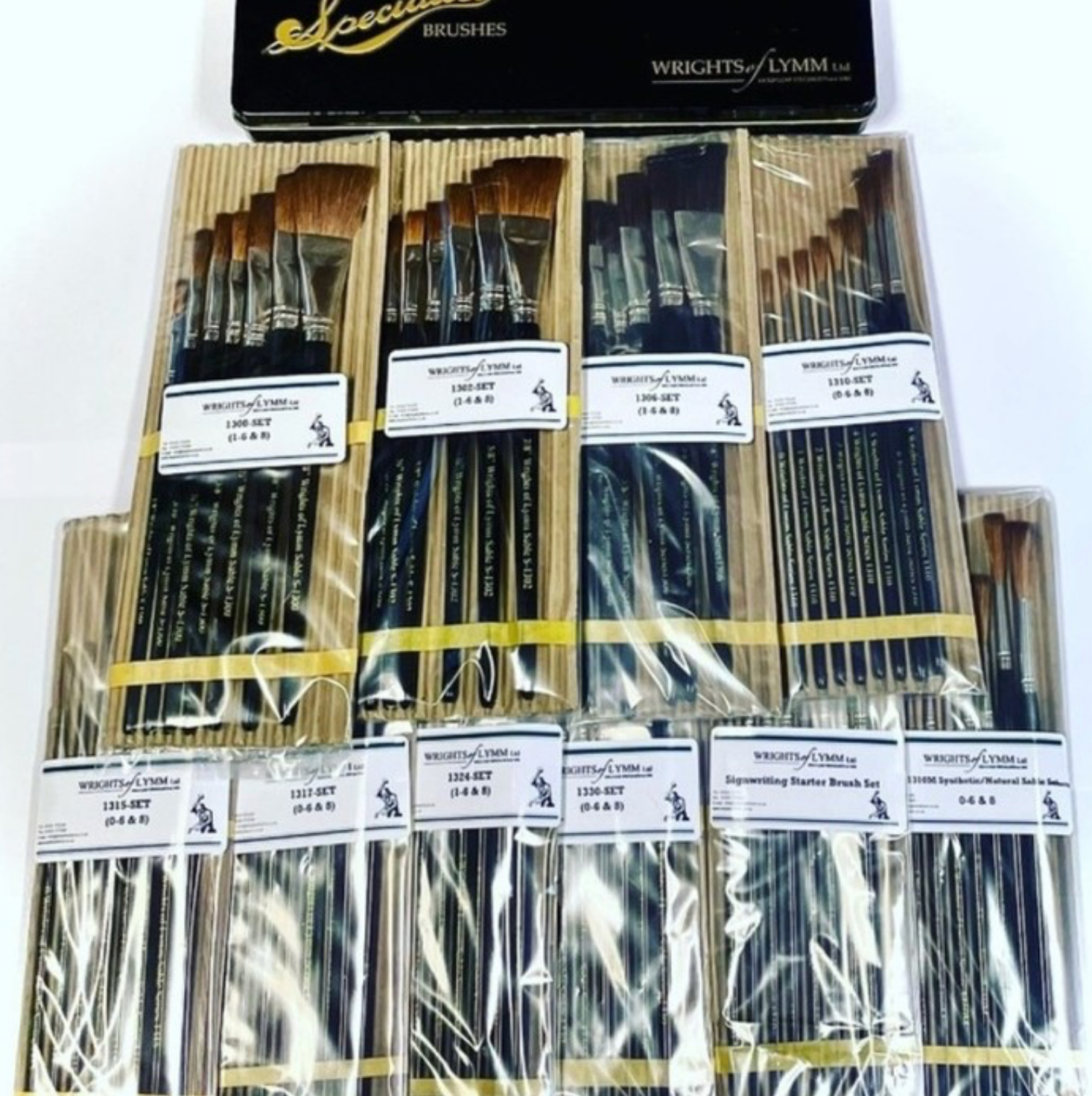
brush sets
