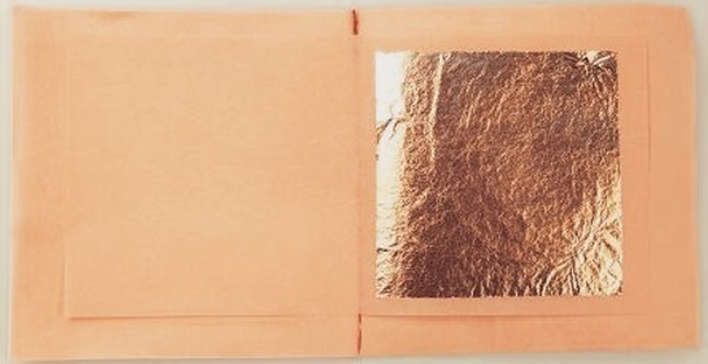
Gilded Elegance: Gold Leaf in Interior Design

History and symbolism of gold leaf

Gold leaf has a rich history that dates back to ancient civilisations. From the Egyptians to the Romans, gold leaf was highly prized and associated with wealth, power, and divinity. The shimmering gold surface captured the imagination of artists and craftsmen throughout the centuries, leading to its extensive use in religious and ceremonial art, as well as in architectural ornamentation.

Beyond its historical significance, the gold leaf also carries symbolic meaning. It represents abundance, enlightenment, and the pursuit of perfection. Its radiant glow brings warmth and positive energy to any space, creating a sense of harmony and prosperity. By incorporating gold leaf into your interior design, you are not only adding a touch of luxury but also infusing your space with deep-rooted symbolism.

Types of gold leaf and their uses in interior design

Gold leaf comes in various types, each with its own unique characteristics and uses in interior design. The most common types are genuine gold leaf, composition gold leaf, and imitation gold leaf.

Genuine gold leaf is made from pure gold and is available in different karat weights, such as 22-karat and 23-karat. It is the most expensive type of gold leaf but offers the highest level of authenticity and durability. Genuine gold leaf is commonly used for gilding furniture, mirrors, and architectural details.

Composition gold leaf, also known as ‘patent’ or ‘dutch’ gold leaf, is made by combining a thin layer of gold with other metals. It is more affordable than a genuine gold leaf but still boasts a beautiful gold appearance. Composition gold leaf is often used for gilding frames, decorative objects, and interior accents.

Imitation gold leaf, also called ‘schlagmetal’ or ‘metal leaf,’ is made from alloys that mimic the appearance of gold. It is the most economical option and is commonly used for large-scale gilding projects or where authenticity is not a primary concern.

Applying gold leaf: techniques and considerations

Applying gold leaf requires skill and precision to achieve a flawless and professional finish. There are several techniques and considerations to keep in mind when working with gold leaf.

One popular technique is water gilding, which involves applying gold leaf to a surface that has been prepared with a layer of gesso and bole. The gold leaf is then adhered using a water-based adhesive, allowing for a smooth and seamless application. Water gilding is commonly used for intricate and detailed gilding projects, such as ornate picture frames or decorative mouldings.

Another technique is oil gilding, which involves using an oil-based size as the adhesive. Oil gilding is often chosen for outdoor applications or surfaces that require a more durable finish. It provides a rich and vibrant appearance, making it ideal for gilding signs, sculptures, and architectural elements.

Before applying gold leaf, it is essential to prepare the surface properly. This includes ensuring it is clean, smooth, and free of any dust or debris. It is also crucial to handle gold leaf with care, as it is incredibly delicate and can easily tear or wrinkle. By following these techniques and considerations, you can achieve stunning results when working with gold leaf.

Transforming your space with gold leaf accents

Gold leaf accents have the power to transform any space, adding a touch of elegance and luxury. There are numerous ways to incorporate gold leaf into your interior design, depending on your personal style and the desired aesthetic. Here are a few ideas to inspire you:

Accent walls – Create a focal point in a room by applying gold leaf to a wall. Whether in a geometric pattern or a free-flowing design, the shimmering gold surface will instantly elevate the ambience.

Ceiling details – Add a touch of grandeur to your space by gilding the ceiling. Whether it’s a simple border or an elaborate design, a gold leaf ceiling will create a sense of height and sophistication.

Furniture embellishments – Transform plain furniture into statement pieces by gilding the edges, legs, or decorative details. A touch of gold leaf can turn an ordinary piece into a luxurious heirloom.

Light fixtures – Replace ordinary lampshades or light fixtures with ones adorned with gold leaf. The golden glow will cast a warm and inviting ambience, creating a cosy and opulent atmosphere.

Remember, when incorporating gold leaf accents, it’s important to strike a balance. Too much gold leaf can overpower a space, while too little may not make the desired impact. By carefully choosing the right elements and placements, you can achieve a harmonious and visually stunning result.


Maintenance and care of gold leaf finishes

To ensure the longevity and beauty of your gold leaf finishes, it is essential to provide proper maintenance and care. While gold leaf is a durable material, it is still susceptible to damage if not handled with care. Here are some tips for maintaining your gold leaf finishes:

Dust regularly – Use a soft, lint-free cloth to gently dust your gold leaf surfaces. Avoid using abrasive materials or harsh cleaners, as they can scratch or tarnish the delicate surface.

Avoid direct sunlight – Prolonged exposure to direct sunlight can cause the gold leaf to fade or become discoloured. Consider using window treatments or UV-protective films to shield your gold leaf finishes from harmful UV rays.

Protect from moisture – Moisture can tarnish and damage gold leaf. Avoid placing objects with wet surfaces directly on gold leaf surfaces, and wipe up any spills immediately.

Handle with care – When cleaning or moving items with gold leaf, handle them with care to avoid scratching or damaging the delicate surface. Use soft gloves or a cloth to protect the gold leaf from oils and fingerprints.

By following these maintenance tips, you can preserve the beauty and shine of your gold leaf finishes for years to come.


Embracing the timeless allure of gold leaf in your home

Gold leaf is a material that has stood the test of time, captivating the hearts of artists, designers, and homeowners alike. Its shimmering beauty, rich history, and symbolic meaning make it a truly timeless choice for interior design. Whether used sparingly as an accent or embraced boldly throughout a space, gold leaf has the power to transform any room into a haven of elegance and sophistication.


So, why not embrace the allure of gold leaf in your own home? Whether you choose to incorporate it through wall treatments, furniture accents, or decorative objects, the gilded elegance of gold leaf will undoubtedly add a touch of luxury and opulence to your interior design.

Discover the endless possibilities and let the timeless beauty of gold leaf shine in your home.

Click here to explore our exquisite collection of gold leaf finishes and start your journey towards creating a space that radiates with gilded elegance.
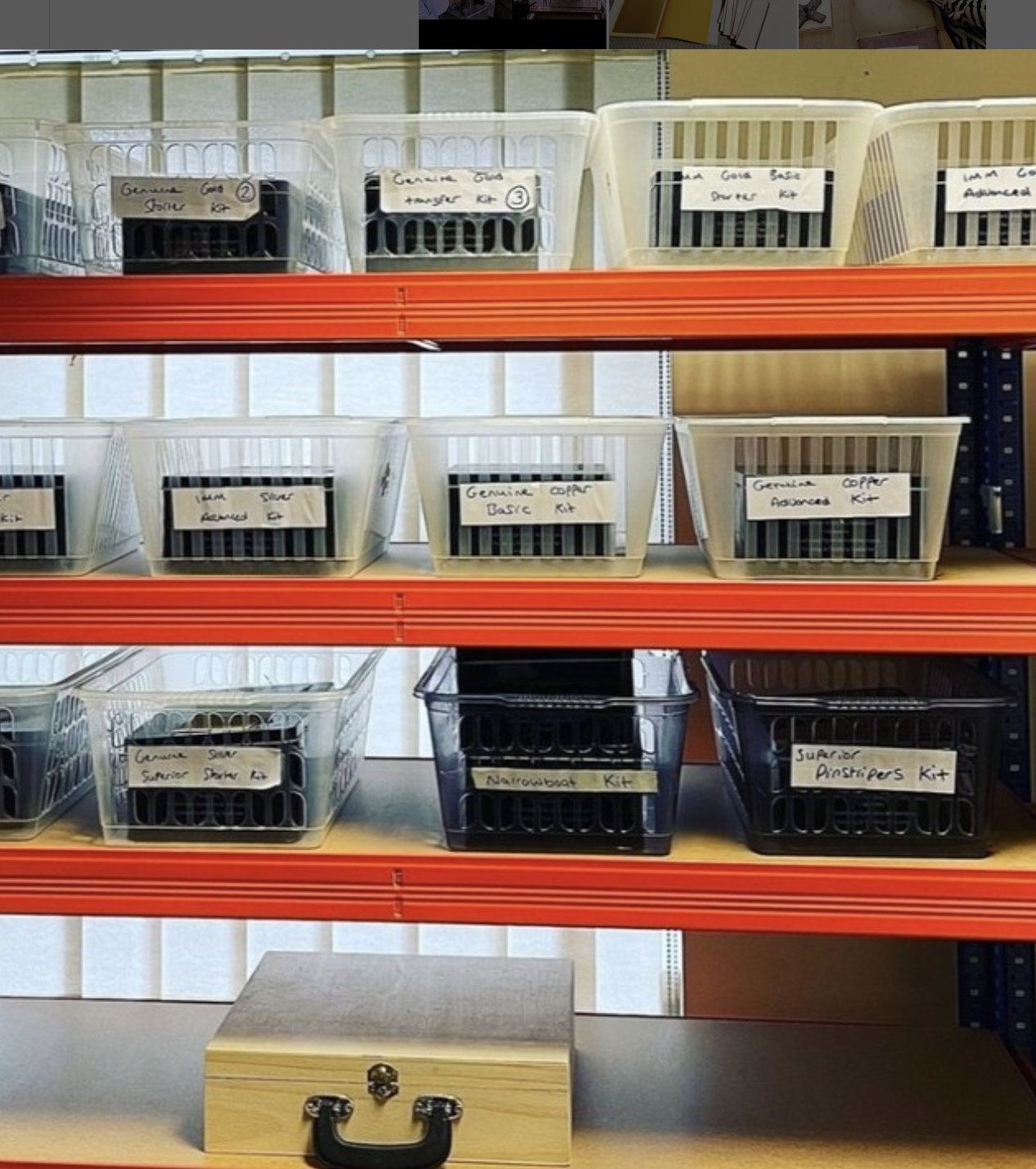
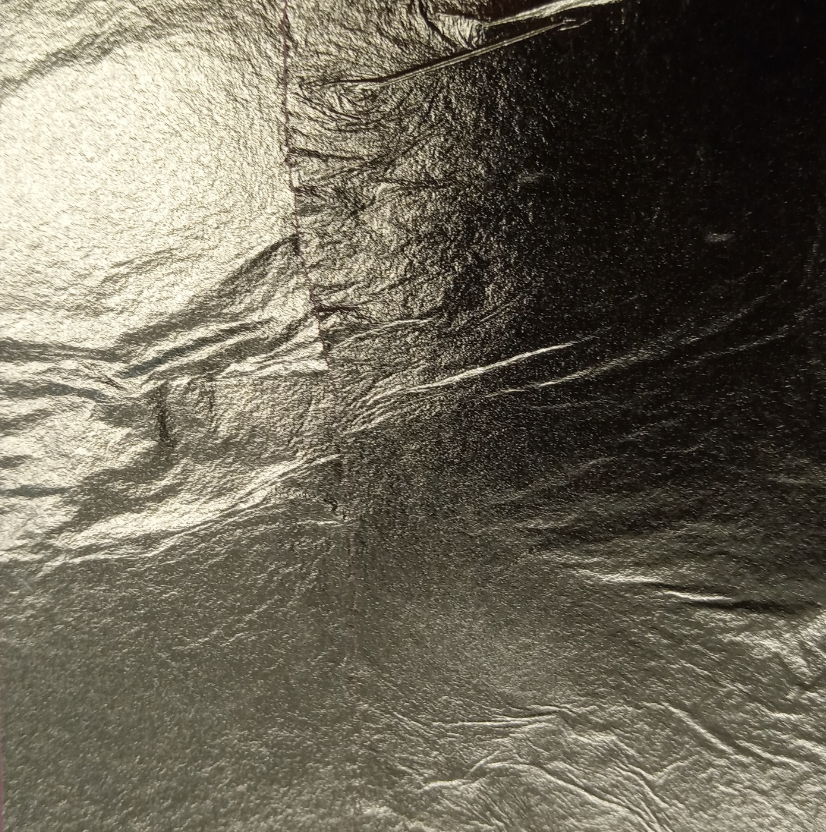
 

The Golden Artistry: Exploring the Versatile Uses of Gold Leaf

The history and tradition of using gold leaf

The tradition of using gold leaf dates back thousands of years. Ancient civilisations such as the Egyptians, Greeks, and Romans were among the first to discover and harness its beauty. Gold leaf was used to adorn temples, palaces, and sacred objects, symbolising wealth, power, and divinity. The Renaissance period also saw a resurgence in the use of gold leaf, as artists like Michelangelo and Leonardo da Vinci incorporated it into their masterpieces, adding a touch of opulence and grandeur.


Different types of gold leaf

Gold leaf comes in various forms, each with its own unique characteristics. The most common types include:

Genuine gold leaf: Made from pure gold, genuine gold leaf is highly valued for its richness and lustre. It is available in different karats, with 24-karat gold leaf being the purest and most expensive.

 Composition gold leaf: Also known as imitation gold leaf, this type is made by combining copper and zinc with a small amount of pure gold. It offers a more affordable alternative to genuine gold leaf while still providing a similar appearance.

Variegated gold leaf: This type of gold leaf features a combination of different shades, creating a striking and dynamic effect. Variegated gold leaf is often used to add depth and texture to artwork. 

Shell gold: Made by grinding gold into a fine powder and mixing it with a binding agent, shell gold is typically used for detailed and intricate work. It can be applied with a brush, creating a smooth and luminous finish.


The process of creating gold leaf

The creation of gold leaf is a meticulous and intricate process that requires skill and precision. It begins with the beating of gold into incredibly thin sheets, which are then cut into squares and placed between sheets of protective tissue paper. These squares are then further beaten to achieve the desired thickness, resulting in delicate and translucent gold leaf.


Popular uses of gold leaf in art and design

Gold leaf has been used in art and design to create stunning and awe-inspiring pieces. It is commonly used in:

Paintings and sculptures: Artists often incorporate gold leaf in their works to add a touch of luxury and brilliance. Gold leaf can be applied to canvas, wood, or even stone, creating a captivating visual effect.

Furniture and decor: Gold leaf is frequently used to enhance the beauty of furniture and home decor pieces. It can be applied to frames, mirrors, vases, and even lighting fixtures, elevating the overall aesthetic and creating a sense of opulence.

Gilding: Gilding is the process of applying gold leaf to surfaces such as metal, wood, or plaster. It is commonly used in architectural details, ornamental designs, and religious artefacts, adding a touch of grandeur and sophistication.


How to apply gold leaf

Applying gold leaf requires patience and precision. Here are the basic steps involved:

 Prepare the surface: Ensure that the surface is clean and smooth. If needed, apply a layer of adhesive or sizing to create a secure bond for the gold leaf. 

Apply the gold leaf: Carefully pick up a sheet of gold leaf using a gilder’s tip or a soft brush. Gently place it onto the surface, allowing it to adhere. Use a soft brush or cotton pad to press down and smooth out the gold leaf.

Seal and protect: Once the gold leaf is applied, it is important to seal and protect it. This can be done by applying a layer of varnish or lacquer, ensuring its longevity and preserving its beauty.


Tips and techniques for working with gold leaf

Working with gold leaf can be challenging, but with the right techniques and tools, it can be a rewarding experience. Here are some tips to help you along the way: 

Practice on a small surface: Before embarking on a larger project, practice applying gold leaf on a small, inconspicuous area. This will help you become familiar with the process and gain confidence in handling the delicate material.

Use a soft brush: When applying gold leaf, use a soft brush or a gilder’s tip. This will help you handle the delicate sheets without tearing or damaging them.

 Work in a clean and controlled environment: Gold leaf is extremely delicate and can be easily affected by dust or drafts. Ensure that your workspace is clean, free from debris, and protected from any air currents.


Contemporary uses of gold leaf in interior design

While gold leaf has a rich historical significance, it continues to be a popular choice in contemporary interior design. Its versatility and ability to add a touch of elegance and glamour make it a sought-after material for designers. Some contemporary uses of gold leaf in interior design include:

Accent walls: Applying gold leaf to a feature wall can create a stunning focal point in a room. The shimmering gold adds depth and texture, instantly transforming the space.

Furniture and accessories: Gold leaf can be applied to furniture pieces, such as coffee tables, chairs, or cabinets, adding a touch of luxury and sophistication. It can also be used on accessories like lamps, picture frames, or decorative objects, elevating their aesthetic appeal.

Ceilings and architectural details: Gold leaf can be used to highlight architectural details, such as mouldings, cornices, or ceiling medallions. It adds a sense of grandeur and elegance to the space, creating a truly captivating environment.


The symbolism and cultural significance of gold leaf

Gold leaf holds great symbolism and cultural significance across various cultures. In many societies, gold represents wealth, prosperity, and divine power. It is often associated with luxury, success, and abundance. Gold leaf is also used in religious and ceremonial contexts, signifying spiritual enlightenment and transcendence.

The timeless beauty of gold leaf

In conclusion, gold leaf is a remarkable material that has stood the test of time. Its rich history, versatility, and captivating beauty continue to inspire artists, designers, and craftsmen to create extraordinary works of art. Whether it is used in paintings, sculptures, furniture, or interior design, gold leaf adds a touch of opulence and elegance that is truly unmatched. So, let us embrace the golden artistry and explore the endless possibilities that gold leaf offers.


Explore our wide range of gold leaf products and unleash your creativity.

The Modern Applications of Gold Leaf in Design

Gold leaf has a rich history in art and design, and its application in modern design continues to evolve. At Wrights of Lymm, we understand the enduring appeal of gold leaf and its versatility in contemporary design. In this article, we explore the various modern applications of gold leaf in design, showcasing its relevance in today’s creative landscape.


Enhancing Interior Spaces

Furniture and Decorative Objects

Gold leaf is widely used to embellish furniture and decorative objects, adding a touch of luxury and sophistication to interior spaces. From accent tables to picture frames, the application of gold leaf transforms ordinary pieces into stunning focal points, elevating the overall aesthetic of a room.


Architectural Details

Architects and interior designers are increasingly incorporating gold leaf into architectural details such as mouldings, ceilings, and columns. This application creates an opulent ambience, infusing spaces with timeless elegance and grandeur.


Art and Craft

Mixed Media Art

Gold leaf serves as a versatile medium for mixed media artists, providing a lustrous and eye-catching element in their creations. Whether used in paintings, sculptures, or collage art, gold leaf adds depth and visual interest, making each artwork truly captivating.


Handcrafted Stationery and Bookbinding

In the realm of stationery and bookbinding, gold leaf is a popular choice for adding a touch of luxury to invitations, journals, and book covers. Its shimmering allure enhances the tactile and visual appeal of these handcrafted items, making them stand out as exquisite works of art.


Contemporary Design Elements

Modern Wall Treatments

Designers are innovatively integrating gold leaf into modern wall treatments, creating striking focal walls or accentuating specific design features. This contemporary approach to wall decor infuses spaces with a sense of opulence and sophistication.


Lighting Fixtures

Gold leaf finds its way into contemporary lighting designs, where it adds warmth and radiance to fixtures, creating an inviting and luxurious ambience. From pendant lights to chandeliers, the use of gold leaf in lighting design elevates the overall aesthetic and ambience of a space.


The timeless allure of gold leaf transcends generations, and its adaptability in modern design continues to inspire creativity across various artistic disciplines. At Wrights of Lymm, we celebrate the enduring appeal of gold leaf and provide a range of high-quality products to support its diverse applications in modern design. Whether it’s enhancing interior spaces, enriching art and craft, or integrating contemporary design elements, gold leaf remains a cherished medium for elevating the aesthetic experience.

Gold Leaf: A Timeless Elegance for Art, Decor, and Culinary Creations

In the realm of art, decor, and culinary craftsmanship, gold leaf stands as a symbol of opulence, sophistication, and unrivalled elegance. At Wrights of Lymm, we are passionate about offering the finest gold leaf products that elevate creativity, luxury, and visual grandeur. Our dedication to providing high-quality gold leaf materials and accessories aligns with the timeless allure and versatility of gold leaf across various industries.


The Artistry of Gold Leaf

Gold leaf, a decorative material crafted from thin sheets of pure gold, has captivated artisans, designers, and culinary experts for centuries. Its lustrous sheen and malleability make it a prized choice for embellishing a wide array of creations, from artworks and architectural details to confections and gourmet dishes. At Wrights of Lymm, we celebrate the artistry of gold leaf, offering a wide range of gold leaf products that cater to the diverse needs of our discerning clientele.


Embracing Tradition and Innovation

The use of gold leaf in art, decor, and culinary applications reflects a harmonious blend of tradition and innovation. Gold leaf’s time-honoured appeal transcends eras, offering a touch of timeless elegance to contemporary creations. At the same time, its adaptability to modern techniques and innovative applications ensures that gold leaf remains a versatile and sought-after material in the hands of visionary creators.


Gold Leaf in Art and Decor

The world of art and decor has long embraced the resplendence of gold leaf. From gilded paintings and ornate frames to architectural embellishments and interior accents, gold leaf infuses spaces with a sense of grandeur and sophistication. At Wrights of Lymm, we provide a diverse selection of gold leaf products, including loose leaf, transfer leaf, and coloured leaf, to inspire artists, craftsmen, and designers in their pursuit of exceptional creations.


Unveiling a World of Possibilities

Gold leaf offers a world of possibilities for artistic expression and decorative refinement. Whether adorning a canvas with gilded details, enhancing furniture with delicate accents, or creating captivating architectural finishes, the use of gold leaf adds a touch of luxury and exclusivity to diverse art and decor projects. Wrights of Lymm is committed to providing premium gold leaf products that empower creators to bring their artistic visions to life with unparalleled splendour.


Gold Leaf in Culinary Creations

In the realm of culinary arts, gold leaf has emerged as a symbol of gastronomic luxury and creativity. From adorning confections and gourmet dishes to infusing beverages with a touch of opulence, Gold Leaf offers a captivating visual and sensory experience. At Wrights of Lymm, we offer edible gold leaf products that cater to culinary connoisseurs and artisans seeking to elevate their creations with a dash of gold.


Elevating Culinary Experiences

Edible gold leaf brings a touch of extravagance to culinary creations, enhancing everything from desserts and beverages to gourmet meals. Its delicate, shimmering appearance adds a visual allure that complements the flavours and textures of the culinary masterpiece, making it an ideal choice for celebratory occasions and gastronomic indulgence. Wrights of Lymm is dedicated to providing top-quality edible gold leaf products that transform culinary experiences into luxurious sensory journeys.


Crafting Timeless Elegance with Gold Leaf

At Wrights of Lymm, we recognise the enduring appeal and versatility of gold leaf across various industries. From art and decor to culinary arts, the allure of gold leaf continues to inspire creativity, craftsmanship, and luxury. Our commitment to offering a diverse range of gold leaf products reflects our dedication to empowering creators, artisans, and culinary professionals to infuse their creations with a touch of timeless elegance and sophistication.


Visit Wrights of Lymm to explore our exquisite collection of gold leaf products and immerse yourself in the timeless allure of this coveted material. Our passion for excellence and creativity is reflected in our commitment to providing the finest gold leaf materials and accessories that elevate art, decor, and culinary craftsmanship to unparalleled heights of luxury and refinement.

✨WHILST STOCKS LAST !!!✨24ct, 23.5ct and 23ct Loose Leaf

✨WHILST STOCKS LAST !!!✨

We have 24ct, 23.5ct and 23ct Loose Leaf Seconds available. Full leaves however have splits in the leaf.
These won’t stay in stock for long at these incredible discounted prices, so get over to our website now to grab yourself a bargain !!

Check out the link in the bio!!

gold leaf

gold leaf

FREE GOLD LEAF – WITH ONLINE ORDERS UNTIL END OF MARCH

“FREE GOLD LEAF – WITH ONLINE ORDERS UNTIL END OF MARCH”

SPECIAL OFFER – 23ct LOOSE GOLD LEAF, 2 LEAVES, 50mm x 50mm

Get 1 FREE Book with orders over £50 net
Get 2 FREE Books with orders over £75 net
Get 3 FREE Books with orders over £100 net

Gold Leaf

Gold Leaf

The Golden Touch: Discovering the Artistic and Practical Applications of Gold Leaf in the UK

History and Significance of Gold Leaf in the UK

 Gold leaf has been revered throughout history for its beauty and preciousness, and the United Kingdom has played a significant role in its use. In ancient times, gold leaf was used to embellish religious artefacts and tombs. The Romans, with their love for lavishness, introduced gold leaf to the British Isles. During the medieval period, gold leaf was extensively employed in the decoration of illuminated manuscripts, such as the famous Lindisfarne Gospels. The Renaissance witnessed a resurgence of gilding in the UK, with gold leaf being applied to furniture, frames, and architectural details. The grandeur of the Palace of Versailles is a testament to the widespread use of gold leaf during this period.


Different Types of Gold Leaf

Gold leaf comes in various forms, each with its unique characteristics. The two main types of gold leaf are genuine gold leaf and imitation gold leaf. Genuine gold leaf is made of pure gold and is available in different karats, ranging from 22 karat to 24 karat. It is the epitome of luxury and is highly sought after by artists and craftsmen. Imitation gold leaf, on the other hand, is made by applying a thin layer of metallic alloy onto a base material, such as brass or copper. It mimics the appearance of genuine gold leaf but is more affordable. Other types of gold leaf include white gold leaf, which has a paler hue, and variegated gold leaf, which has a mottled or textured appearance.


The Art of Gilding with Gold Leaf

Gilding is an intricate and precise art form that requires skill and patience. The process involves applying a thin layer of gold leaf onto a surface, such as wood, metal, or glass, using an adhesive called size. The size is applied in a specific pattern or design, and then the gold leaf is carefully laid onto the tacky surface. Once the gold leaf is in place, the excess is gently brushed away, leaving behind a shimmering layer of gold. Gilding can be done using loose gold leaf or gold leaf sheets, depending on the desired effect. The art of gilding has been passed down through generations of craftsmen, and today, it continues to be practised by both traditional artisans and contemporary artists.


Famous Examples of Gold Leaf Applications in the UK

The United Kingdom boasts a rich heritage of gold leaf applications, with numerous iconic landmarks and works of art showcasing its beauty. One such example is the interior of St. Paul’s Cathedral in London. The cathedral’s intricate gilded decorations, including the famous Golden Gallery, are a testament to the grandeur of gold leaf. Another notable example is the Palace of Westminster, home to the Houses of Parliament. The opulent gold leaf embellishments throughout the palace, such as the gilded statues and ornate ceilings, exude a sense of regality. The Royal Albert Hall is yet another iconic venue adorned with gold leaf, adding a touch of elegance to its grandeur.


Practical Applications of Gold Leaf in Interior Design

While gold leaf is often associated with traditional and historic settings, it also has a place in contemporary interior design. Its timeless beauty and versatility make it a popular choice for adding a touch of luxury to any space. Gold leaf can be used to accentuate architectural details, such as mouldings and cornices, creating a sense of grandeur. It can also be applied to furniture, transforming ordinary pieces into exquisite works of art. For those who prefer a more subtle approach, gold leaf can be used sparingly, as a focal point or as an accent against a neutral backdrop. Whether used in a traditional or modern setting, gold leaf adds a touch of glamour and sophistication to any interior.


How to Apply Gold Leaf in DIY Projects

Incorporating gold leaf into your DIY projects is a rewarding and creative endeavour. The first step is to gather the necessary materials, including gold leaf sheets, adhesive size, a brush, and a burnishing tool. Prepare the surface by ensuring it is clean, smooth, and free from dust. Apply the adhesive size in the desired pattern or design, following the instructions provided. Once the size has reached the tacky stage, carefully lay the gold leaf onto the surface, gently pressing it down. Allow the gold leaf to set before gently brushing away the excess with a soft brush. Finally, use a burnishing tool to smooth out any wrinkles or imperfections and to achieve a lustrous finish.


Maintenance and Care of Gold Leaf

To ensure the longevity and beauty of gold leaf, proper maintenance and care are essential. Avoid using abrasive cleaners or harsh chemicals, as they can damage the delicate surface. Instead, gently dust the gold leaf using a soft brush or a microfiber cloth. If the gold leaf becomes tarnished or loses its shine over time, you can restore its brilliance by carefully applying a thin layer of varnish or shellac. It is also important to protect gold leaf from direct sunlight, as prolonged exposure can cause fading. With proper care, gold leaf can retain its radiant allure for generations to come.


Conclusion: The Enduring Beauty of Gold Leaf in the UK

Gold leaf holds a special place in the heart of the United Kingdom, thanks to its historical significance and enduring beauty. From the gilded interiors of majestic cathedrals to the sleek and modern applications in interior design, gold leaf continues to captivate and inspire. Its timeless allure transcends eras and styles, adding a touch of luxury and opulence to any setting. Whether you are an artist, a designer, or simply an admirer of beauty, exploring the art and practical applications of gold leaf in the UK is a journey well worth embarking on.

Purchase all of your Gold Leaf Essentials here.


A Closer Look at the Exquisite Gold Leaf by Wrights of Lymm

History of Gold Leaf

The history of gold leaf dates back thousands of years, with its origins rooted in ancient civilisations such as Egypt, Mesopotamia, and China. The ancient Egyptians were among the first to discover the art of gold leafing, using it to adorn their tombs, temples, and statues. They believed that gold had magical properties and represented the eternal and divine. In China, gold leaf was used to decorate Buddhist statues and temples, symbolising enlightenment and purity.


During the Middle Ages, gold leaf became a prominent feature in religious art, particularly in the elaborate manuscripts created by monks. The shimmering gold surfaces added a heavenly glow to the intricate illustrations and illuminated letters, making the religious texts come alive.


Types of Gold Leaf

There are several types of gold leaf available today, each with its unique characteristics and applications. The most common types include genuine gold leaf, composition gold leaf, and variegated gold leaf.

Genuine gold leaf is made from pure gold, which is hammered into incredibly thin sheets. It is available in various karats, ranging from 22-karat to 24-karat gold. The higher the karat, the purer and more vibrant the gold leaf will be.

Composition gold leaf, also known as imitation gold leaf, is made by combining copper and zinc alloys with gold. It closely resembles genuine gold leaf and is often used as a more affordable alternative.

Variegated gold leaf features a combination of gold and other metal alloys, resulting in a unique and textured appearance. It creates a captivating visual effect that adds depth and character to artworks and designs.


The Process of Creating Gold Leaf

The creation of gold leaf is a meticulous and labor-intensive process that requires the utmost skill and precision. It starts with the selection of high-quality gold, which is then melted and rolled into incredibly thin sheets. These sheets are then cut into manageable sizes and placed between tissue paper for protection.

To achieve the desired thickness, the gold sheets are repeatedly hammered and stretched by skilled artisans. This process, known as beating, requires years of practice and a delicate touch. The final result is a delicate and lustrous sheet of gold leaf, ready to be used in various artistic and design applications.


Applications of Gold Leaf in Art and Design

Gold leaf has been utilised in a wide range of art and design applications, adding a touch of luxury and grandeur to countless masterpieces throughout history. From paintings and sculptures to furniture and architectural elements, gold leaf has the power to transform ordinary objects into extraordinary works of art.

In painting, gold leaf is often used to highlight specific areas or to create intricate patterns and textures. It can be applied directly onto a surface or used in combination with other mediums, such as oil or acrylic paints. The reflective properties of gold leaf create a luminous effect that enhances the overall visual impact of the artwork.

In architecture and interior design, gold leaf is commonly used to embellish ceilings, domes, and ornamental details. The gilded surfaces catch the light and create a sense of grandeur and elegance. From palaces and cathedrals to modern luxury homes, gold leaf has been a staple in creating luxurious and awe-inspiring spaces.


Famous Artworks and Landmarks Featuring Gold Leaf

Throughout history, numerous famous artworks and landmarks have been adorned with gold leaf, leaving an indelible mark on our cultural heritage. One of the most iconic examples is the gilded dome of the Taj Mahal in India. The intricate patterns and shimmering gold surfaces of the dome epitomise the beauty and splendour of Mughal architecture.

Another notable example is Gustav Klimt’s masterpiece, “The Kiss.” This iconic painting features elaborate gold leaf patterns that symbolise love and passion. The gold leaf adds a luminous quality to the painting, elevating it to a level of ethereal beauty.

In the realm of architecture, the Palace of Versailles in France is a prime example of the lavish use of gold leaf. From the opulent Hall of Mirrors to the ornate decorations on the ceilings and walls, gold leaf is a prominent element throughout the palace, embodying the extravagance and grandeur of the French monarchy.


Benefits and Advantages of Using Gold Leaf

Using gold leaf in art and design offers numerous benefits and advantages. Firstly, gold leaf adds a touch of luxury and sophistication to any project. The shimmering surfaces create a sense of opulence and elegance that is hard to replicate with other materials.

Secondly, gold leaf is incredibly versatile. It can be applied to various surfaces, including wood, metal, glass, and even paper. This versatility allows artists and designers to explore different mediums and experiment with various techniques, creating truly unique and captivating artworks.

Furthermore, gold leaf is highly durable and resistant to tarnishing, making it a long-lasting material that can withstand the test of time. This durability ensures that artworks and designs featuring gold leaf will retain their beauty and allure for generations to come.


Tips for Working With Gold Leaf

Working with gold leaf requires a delicate touch and careful attention to detail. Here are a few tips to help you achieve the best results when working with this exquisite material:

Prepare the surface: Ensure that the surface you are applying the gold leaf to is clean, smooth, and free from any dust or debris. This will ensure proper adhesion and a flawless finish.

Use a suitable adhesive: There are various types of adhesives available for attaching gold leaf. Choose the one that is most suitable for your project and apply it evenly onto the surface.

Handle with care: Gold leaf is incredibly delicate and can easily tear or wrinkle. Use tweezers or a soft brush to handle the gold leaf gently, taking care not to apply too much pressure.

Burnish for a smooth finish: Once the gold leaf is applied, use a soft brush or cloth to gently burnish the surface. This will smooth out any wrinkles or imperfections and enhance the shine of the gold.

Seal the gold leaf: To protect the gold leaf and ensure its longevity, it is essential to seal it with a suitable varnish or sealant. This will prevent tarnishing and keep the gold leaf looking pristine.


Gold leaf is a truly remarkable material that has captivated artists and designers for centuries. Its rich history, diverse applications, and timeless beauty make it a cherished medium in the world of art and design. Whether used to embellish a painting, highlight architectural details, or create stunning decorative pieces, gold leaf adds a touch of luxury and sophistication to any project.


So, why not explore the mesmerising allure of gold leaf and embark on your own artistic journey? Click here to discover a wide range of gold leaf products and unleash your creativity.


How to Incorporate Gold Leaf into Your Interior Design

Gold leaf is a luxurious and timeless material that has been used in interior design for centuries. Its shimmering and elegant appearance instantly adds a touch of opulence to any space. Whether you want to create a focal point on your walls, transform your furniture, or enhance your accessories, incorporating gold leaf into your interior design can elevate your décor to a whole new level. In this article, we will explore the history of gold leaf in interior design, the benefits of using it, different types of gold leaf and their uses, how to prepare your surface for application, step-by-step guide to applying gold leaf, using gold leaf in different areas of your home, tips for maintaining and preserving gold leaf, and inspirational ideas to spark your creativity.


The History of Gold Leaf in Interior Design

Gold leaf has a rich history that dates back to ancient civilisations. The Egyptians, Greeks, and Romans were among the first to use gold leaf in their interior design. They believed that gold had magical properties and symbolised prosperity and abundance. In medieval times, gold leaf was extensively used in religious art and architecture to depict divinity and create a sense of awe. During the Renaissance, gold leaf became a popular choice for gilding frames, furniture, and ceilings in palaces and grand estates. Today, gold leaf continues to be a symbol of luxury and sophistication in interior design.


Benefits of Incorporating Gold Leaf into Your Décor

Incorporating gold leaf into your interior design offers numerous benefits beyond its aesthetic appeal. Firstly, gold leaf brings warmth and radiance to a space, creating a welcoming and inviting atmosphere. Its reflective properties can also make a room appear larger and brighter. Secondly, gold leaf is a versatile material that can be applied to various surfaces, including walls, furniture, and accessories. It allows you to add a touch of glamour to any element of your décor. Lastly, gold leaf is a durable material that can withstand the test of time. When applied correctly and maintained properly, it can last for decades without losing its lustre.


Different Types of Gold Leaf and Their Uses

There are several types of gold leaf available, each with its own unique characteristics and uses. The most common types are genuine gold leaf, composition gold leaf, and imitation gold leaf. Genuine gold leaf is made from pure gold and is available in different karats, ranging from 12 to 24 karats. It is the most expensive and luxurious option, ideal for high-end projects. Composition gold leaf, also known as patent gold leaf, is made by combining pure gold with other metals like copper and zinc. It offers a more affordable alternative while still providing a beautiful finish. Imitation gold leaf, on the other hand, is made from brass or copper and coated with a thin layer of gold. It is the most economical choice and suitable for budget-conscious projects. The type of gold leaf you choose will depend on your budget, the desired effect, and the surface you plan to apply it to.


How to Prepare Your Surface for Gold Leaf Application

Before applying gold leaf, it is essential to prepare your surface properly to ensure a smooth and successful application. The first step is to clean the surface thoroughly using a mild detergent and water to remove any dust, dirt, or grease. Next, sand the surface gently to create a slightly rough texture that will help the adhesive bond better. If your surface has any imperfections, such as cracks or dents, fill them in with a suitable filler and sand them down until smooth. Once your surface is clean and smooth, apply a primer or base coat to create a stable foundation for the gold leaf. Choose a primer that is compatible with the surface material and adhesive you plan to use. Allow the primer to dry completely before proceeding to the next step.


Using Gold Leaf in Different Areas of Your Home

Gold leaf can be used in various areas of your home to create a stunning visual impact. One of the most popular ways to incorporate gold leaf is on walls. Whether you choose to cover an entire wall or create a focal point with a gold leaf motif, it will instantly transform the space and add a touch of glamour. Furniture is another area where gold leaf can be used to great effect. Consider gilding the legs or edges of a table, the frame of a mirror, or the trim of a cabinet to create eye-catching accents. Accessories such as lamps, vases, and picture frames can also be enhanced with gold leaf. By strategically placing gold leaf accents throughout your home, you can create a cohesive and luxurious look.


Tips for Maintaining and Preserving Gold Leaf

To ensure the longevity and beauty of your gold leaf, it is important to take proper care and maintenance. Avoid using abrasive cleaners or harsh chemicals that can damage the gold leaf. Instead, use a soft, dry cloth or a feather duster to gently remove any dust or dirt. If your gold leaf is tarnished, you can use a mild soap and water solution to clean it, followed by a soft cloth to dry it thoroughly. It is also advisable to avoid direct sunlight or excessive moisture, as these can cause the gold leaf to fade or tarnish. By following these simple tips, you can enjoy the timeless elegance of gold leaf in your interior design for years to come.


Inspirational Ideas for Incorporating Gold Leaf into Your Interior Design

Looking for inspiration to incorporate gold leaf into your interior design? Here are a few ideas to get your creative juices flowing. Create a statement wall by applying gold leaf to a geometric pattern or a mural. For a more subtle touch, consider gilding the edges of your furniture or adding gold leaf accents to your light fixtures. Another idea is to use gold leaf to highlight architectural details such as mouldings, cornices, or ceiling medallions. You can also add a touch of luxury to your bathroom by gilding the frame of your mirror or applying gold leaf to your bathroom fixtures. The possibilities are endless, so let your imagination run wild and create a space that reflects your unique style and personality.

Incorporating gold leaf into your interior design is a sure way to elevate your décor and create a luxurious and timeless space. Whether you choose to use it on walls, furniture, or accessories, gold leaf adds a touch of opulence and sophistication that is hard to match. By understanding the history, benefits, and different types of gold leaf, as well as following the proper preparation and application techniques, you can achieve stunning results that will impress all who enter your home. So go ahead, embrace the splendour of gold leaf and let your creativity shine.