Unveiling the Beauty of Genuine Gold and Silver Powder

In the world of craftsmanship and artistry, the quest for perfection and authenticity has always been relentless. Throughout history, various materials have been used to create mesmerizing works of art and add a touch of opulence to decorative items. Among these materials, genuine gold and silver powder have stood the test of time, enchanting artists and craftsmen with their exquisite allure. In this blog post, we delve into the captivating world of genuine gold and silver powder, exploring its history, applications, and the unparalleled beauty it brings to the art and design landscape.


What is Genuine Gold and Silver Powder?

Genuine gold and silver powder are ultra-fine particles obtained from pure precious metals. Artisans carefully process these precious metals to create a fine dust-like powder, which is renowned for its exceptional quality and brilliance. The craftsmanship required to create these powders dates back centuries, with historical examples of their use in ancient civilizations, from the gilded statues of Egypt to the delicate illuminated manuscripts of medieval Europe.


History and Cultural Significance

The use of genuine gold and silver powder in art and design can be traced back to ancient times. Gold leaf, made by hammering gold into thin sheets, was widely used by cultures such as the Egyptians, Greeks, and Romans to adorn religious artifacts and architecture. In Asia, gold and silver powder have been integral to traditional art forms like Japanese Kintsugi and Indian miniature paintings.


Across different civilizations, gold and silver have symbolized wealth, prestige, and spiritual significance. The use of these precious powders in religious ceremonies and sacred art showcases their lasting cultural significance.


Applications in Art and Craftsmanship

Gilding: One of the most well-known applications of genuine gold and silver powder is gilding, a technique where the powders are applied to surfaces, often wood or metal, using adhesive substances. The result is a luxurious and reflective finish that adds a touch of grandeur to ornate frames, furniture, and even architectural elements.

Illumination in Manuscripts: In medieval times, genuine gold and silver powder were used to embellish intricate designs in illuminated manuscripts. These stunning works of art showcased the meticulous craftsmanship and reverence for knowledge and spirituality.

Contemporary Art: Genuine gold and silver powder continue to inspire modern artists. Their incorporation into paintings, sculptures, and mixed-media art projects elevates the visual experience, creating a fusion of tradition and innovation.

Decorative Arts: From pottery and glassware to jewellery and textiles, the application of genuine gold and silver powder enhances the beauty of everyday objects, turning them into unique and cherished heirlooms.


Why Choose Genuine Gold and Silver Powder?


While imitations may exist, genuine gold and silver powder offers unparalleled quality and brilliance. The authenticity and enduring value of these precious materials add a touch of luxury to any artistic creation. They resist tarnishing and oxidation, ensuring that the artwork maintains its beauty and lustre over time.

Moreover, working with genuine gold and silver powder is a testament to the commitment to craftsmanship and excellence. Each stroke of the brush or application of the powder requires skill, precision, and an appreciation for the ancient art forms.


Conclusion

Genuine gold and silver powder are not just materials; they embody the rich history of human creativity and our pursuit of beauty and perfection. From the gilded masterpieces of ancient civilizations to the contemporary creations of today’s artists, these precious powders continue to captivate and inspire. For those seeking to elevate their artistic endeavours and add a touch of opulence to their work, genuine gold and silver powderremains an unparalleled choice – a timeless link between the past and the future.
Decorating with Gold Leaf: Adding Elegance and Glamour to Your Space

When it comes to interior design, there are endless ways to add a touch of elegance and glamour to your space. One such technique that has stood the test of time is decorating with gold leaf. Gold leaf, made by hammering gold into extremely thin sheets, has been used for centuries to adorn art, furniture, and architectural elements. Its shimmering beauty and luxurious appeal make it a popular choice for those seeking to create a sophisticated and opulent atmosphere. In this article, we will explore the art of decorating with gold leaf and provide you with some inspiration for incorporating this timeless material into your own home.


One of the most striking applications of gold leaf is in artwork. Whether you have a blank canvas or an existing piece that needs a facelift, gold leaf can instantly elevate the aesthetic value of any painting or sculpture. By carefully applying gold leaf to specific areas or creating intricate patterns, you can achieve a stunning visual impact. Gold leaf is often used to highlight focal points, add depth and dimension, or create a sense of movement within a piece of art. It can be applied directly onto the surface or used in combination with other mediums such as acrylic or oil paint.


In addition to artwork, gold leaf can also be used to transform furniture and decorative objects. Imagine a side table or a picture frame adorned with delicate gold leaf accents. The contrast between the warm glow of gold and the texture of wood or other materials can create a captivating and luxurious effect. For a more dramatic statement, consider covering an entire piece of furniture with gold leaf, turning it into a true showpiece in your home. Whether you prefer a subtle touch or an all-out golden extravaganza, gold leaf offers endless possibilities for transforming ordinary items into extraordinary works of art.


If you’re looking to make a bold statement, consider incorporating gold leaf into your interior architecture. From ceilings to walls to columns, gold leaf can turn a plain surface into a captivating focal point. In grand ballrooms and palaces, gold leaf has been used to embellish architectural details for centuries. But you don’t need a grand space to embrace this opulent trend. Even in smaller rooms, a strategically placed gold leaf accent can create a sense of luxury and sophistication. Consider applying gold leaf to a coffered ceiling, a feature wall, or decorative mouldings to instantly elevate the ambiance of your space.


When it comes to decorating with gold leaf, attention to detail is crucial. The delicate nature of gold leaf requires patience and precision during application. It’s important to properly prepare the surface, apply an adhesive, and carefully lay the gold leaf to ensure a smooth and even finish. While it can be a time-consuming process, the end result is well worth the effort.


In conclusion, decorating with gold leaf offers a timeless and luxurious way to add elegance and glamour to your space. Whether you choose to incorporate it into artwork, furniture, or architectural elements, gold leaf has the power to transform ordinary objects into extraordinary works of art. Its shimmering beauty and warm glow create a captivating visual impact that can enhance any interior design style. So, if you’re looking to make a statement and create a truly memorable space, consider embracing the art of decorating with gold leaf.

Signwriting with Gold Leaf: Elevating Your Brand with Timeless

When it comes to making a statement, few techniques can rival the timeless beauty and elegance of signwriting with gold leaf. This traditional art form has been used for centuries to create stunning, eye-catching signage that exudes a sense of luxury and sophistication. Whether you’re a business owner looking to elevate your brand or a creative individual wanting to add a touch of opulence to your personal projects, signwriting with gold leaf offers a unique and captivating way to make your message shine. In this blog post, we’ll explore the art of signwriting with gold leaf and discover how it can transform your visual communications.


Gold leaf signwriting is a meticulous craft that requires skill, precision, and attention to detail. Each sheet of gold leaf is incredibly thin, delicate, and fragile, making the process a true labour of love. The first step in signwriting with gold leaf is to carefully design and prepare the surface of your sign. Whether it’s a wooden board, glass panel, or any other suitable material, the surface must be smooth, clean, and free of any imperfections to ensure a flawless application.


Once the surface is ready, the gold leaf is applied using a special adhesive called “size.” The size is carefully brushed onto the surface, creating a tacky layer that allows the gold leaf to adhere. The gold leaf sheets, which come in various sizes, are then gently laid onto the sized surface, using a soft brush or cotton pad to press and smooth them down. The excess leaf is carefully removed, revealing the intricate and shimmering gold design.


One of the most remarkable qualities of gold leaf signwriting is its versatility. It can be applied to various sign types, including storefront signs, office plaques, restaurant menus, and even vehicle graphics. The reflective and luminous properties of gold leaf make it highly visible and attention-grabbing, ensuring that your message stands out in any setting. Whether you opt for a classic, gilded lettering style or a more elaborate design incorporating flourishes and motifs, gold leaf signwriting adds a touch of class and sophistication that is hard to ignore.


Furthermore, gold leaf signwriting is not limited to traditional or vintage aesthetics. It can seamlessly blend with contemporary design styles, offering a striking contrast between the luxurious gold and modern elements. The combination of sleek, clean lines with the richness of gold leaf creates a visually stunning effect that is both timeless and current. Whether your brand identity leans towards the classic or the modern, incorporating gold leaf in your signage can help you establish a strong and memorable visual presence.


Aside from its aesthetic appeal, gold leaf signwriting also offers exceptional durability. When applied correctly, gold leaf can withstand the elements and maintain its brilliance for years to come. This makes it a long-lasting investment that will continue to enhance your brand’s image over time.


In conclusion, signwriting with gold leaf is a remarkable art form that can elevate your brand’s visual communications to new heights. Its timeless elegance and captivating beauty are unparalleled, making it a powerful tool to grab attention and leave a lasting impression. Whether you’re a business owner, a designer, or an artist, exploring the art of signwriting with gold leaf can unlock a world of possibilities for creating signage that truly shines. So, dare to embrace the opulence of gold leaf and let your signage become a work of art that speaks volumes about your brand.

23 – 23.75 Carat Gold Gilded Stoneware

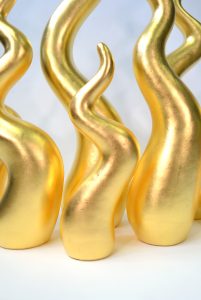
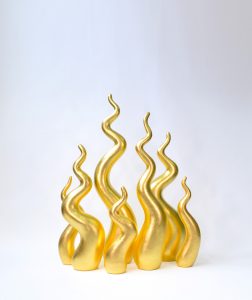
Joshua Aubrook, a recent graduate from the Masters program at the Royal College of Art, Battersea, for part of his final year showcase he made a ceramic sculpture of a fire, gilded with 23 – 23.75 carat gold leaf purchased ourselves here at Wrights of Lymm


The details of the piece is below –

Lekkerland – Fire 

2023 

h 138 x w 135 x d 90 cm 

23 – 23.75 carat gold gilded stoneware


Gold Leaf Colour Charts: A Guide to Captivating Shades

Gold leaf, with its radiant and lustrous appearance, has long been admired as a symbol of wealth and luxury. Its timeless allure has captivated artists, craftsmen, and designers throughout history. When it comes to working with gold leaf, understanding the different shades and variations available is essential. Gold leaf colour charts serve as invaluable tools to navigate the vast array of captivating hues and make informed choices. In this article, we will explore the significance of gold leaf colour charts and how they aid in selecting the perfect shade.

Gold leaf colour charts provide a comprehensive visual representation of the available gold leaf shades. While gold is commonly associated with a brilliant yellow hue, the reality is that gold leaf comes in a spectrum of captivating colours. The colour variations arise from the different alloys and surface treatments applied during the production process.

One of the most popular colours on the gold leaf colour chart is “Pale Gold.” It embodies the classic, warm yellow shade typically associated with gold leaf. This shade exudes a sense of traditional elegance and is often used in conservative applications or to replicate historical gilding techniques.

Another intriguing colour on the gold leaf colour chart is “White Gold.” This shade features a cooler, silver-like appearance with a hint of gold. It imparts a modern and contemporary feel to gilded surfaces, making it a popular choice for sleek and minimalist designs.

Here at The Wrights of Lymm we also offer a collection of Italian Variegated leaf samples with an impressive 45 leaves presenting an array of unique indulgent shades. Combining stunning hues of reds, blues and greens these are perfect for a deep and intricate design.

The beauty of gold leaf colour charts lies in their ability to present a wide range of options in a concise and visually appealing manner. They allow artists, designers, and enthusiasts to compare and contrast different shades, enabling them to select the ideal colour for their specific project or vision.

In conclusion, gold leaf colour charts are indispensable resources when it comes to working with this exquisite medium. They provide a glimpse into the mesmerising spectrum of gold leaf shades, guiding artists, designers, and craftsmen in selecting the perfect colour to bring their visions to life.

Take a look at our incredible collection of GOLD LEAF colour charts to find the perfect choices for your designs.

Gold Leaf Colour Charts – Click Here

Best Uses for Gold Leaf

Gold leaf is a timeless material that exudes opulence and elegance. For centuries, artisans and designers have utilized this luxurious embellishment to enhance their creations and leave a lasting impression. From architecture and interior design to culinary delights and fine art, gold leaf offers endless possibilities for adding a touch of sophistication. In this article, we will explore the best uses for gold leaf and how it can elevate your designs to new levels of luxury and grandeur.

Architectural Marvels:

Gold leaf has long been associated with iconic architectural structures. From the gilded domes of royal landmarks such as the Buckingham Palace Gates to intricate ornamentation on historic buildings, gold leaf adds a regal and captivating touch. The reflective quality of gold leaf captures sunlight, creating a mesmerizing effect that draws attention and leaves a lasting impression on visitors.

 Interior Design:

Incorporating gold leaf into interior design can transform ordinary spaces into extraordinary ones. Whether it’s gilded furniture, ornate ceiling details, or accentuating architectural features, gold leaf infuses a sense of richness and glamour. A carefully applied gold leaf finish can elevate any room, creating an atmosphere of luxury and refinement.

Artistic Masterpieces:

Artists have long employed gold leaf to create stunning masterpieces that stand the test of time. From ancient religious icons to contemporary paintings, gold leaf adds a luminous quality and a sense of preciousness to artworks. Its reflective surface can enhance the depth and texture of a piece, creating a captivating visual experience for the viewer.

Jewellery and Fashion:

Gold leaf is not limited to architecture and art; it also shines in the realm of jewellery and fashion. Designers incorporate gold leaf into accessories, such as earrings, necklaces, and bracelets, to create stunning statement pieces. Additionally, gold leaf can be used to embellish garments, adding a touch of glamour to haute couture designs.

Conclusion:

Gold leaf is a versatile and luxurious material that has stood the test of time. By incorporating gold leaf into your creations, you can capture the essence of luxury and create truly remarkable experiences for those who appreciate the finer things in life.

Wrights of Lymm can help you explore the endless possibilities of gold leaf and transform your designs into works of art, take a look at our extensive range of GOLD LEAF here.

What is Gold Leaf?

Gold leaf is a thin layer of pure gold that is beaten into thin sheets and used for decorative purposes. It has been used for centuries in art, architecture, and design to add a touch of luxury and elegance to various objects and surfaces. In this article, we will explore what gold leaf is, how it is made, and its various applications.

What is Gold Leaf ?

Gold leaf is manufactured by rolling and hammering pure gold into extremely thin leaves. These leaves are so thin that they are translucent and can be seen through in certain lighting conditions. Gold leaf can be as thin as 1/10,000th of a millimetre, which makes it delicate and requires careful handling.

Gold leaf is often used for decorative purposes because of its lustrous and reflective qualities. It can be applied to various surfaces, including paper, wood, metal, glass, and stone, to create intricate designs and patterns that catch the eye.

Here at Wrights of Lymm we offer a wide range of GOLD LEAF, click here to view our products.

How is Gold Leaf Made?

The process of making gold leaf is a labour-intensive and skilled craft that has been practiced for thousands of years. The process typically involves the following steps:

Alloying: Pure gold is typically too soft to be used for gold leafing, so it is alloyed with other metals such as copper or silver to create a more durable and workable material.

Rolling: The gold alloy is rolled out into a ribbon using a rolling mill. The ribbon is gradually reduced in thickness until they are just a few microns thick.

Beating: The ribbon of gold alloy is then placed between sheets of parchment paper and beaten with a hammer to further thin them out. This process can take hours of continuous beating to achieve the desired thickness.

Cutting: The gold leaf sheets are then cut into uniform squares or rectangles using a sharp knife or a boxwood reeded wagon. The sheets are typically 3-4 inches square and are packaged between sheets of paper for protection.


Applications of Gold Leaf

Gold leaf has been used for centuries in art, architecture, and design to add a touch of luxury and elegance to various objects and surfaces. Some common applications of gold leaf include:

Art: Gold leaf is often used in traditional painting and calligraphy to create intricate designs and patterns. It is also used in sculpture and pottery to create a metallic finish.

Architecture: Gold leaf has been used for centuries in architecture to decorate buildings and structures. It is commonly used on domes, spires, and other architectural features to add a touch of opulence.

Furniture: Gold leaf is often used in furniture design to create decorative accents and finishes. It is commonly applied to frames, legs, and other decorative elements to create a metallic finish.

Signage: Gold leaf is commonly used in sign-making to create distinctive and eye-catching signs. It is often used in combination with other materials such as wood, glass, or metal to create a unique and elegant sign.


Conclusion

Gold leaf is a versatile and timeless material that has been used for centuries to add a touch of luxury and elegance to various objects and surfaces. Its lustrous and reflective qualities make it a popular choice for art, architecture, furniture, and signage. The process of making gold leaf is a labour-intensive and skilled craft that requires careful handling and attention to detail. As a result, gold leaf is often considered a symbol of luxury and exclusivity, and its use in design and decoration is likely to continue for many years to come.

Get your GOLD LEAF today at Wrights of Lymm.

Master The Art

Master Gilder Roger Newton and his daughter Kate Elwell) started ‘Master the art’ last summer having converted a disused outbuilding at Leighton into a wonderful new studio. They run 4 day paint finishes courses and 4 day gilding courses (either residential or live out) and also offer ‘bespoke’ 1-5 day paint finishes courses to groups of 4 or more friends who would like to learn together. No prior experience at all needed. Home cooked lunch and tea all part of the package!

Roger has taught for 40 years, having begun his training at Colefax and Fowler.

You can find them on instagram regarding the courses and also see their wonderful work @master_theart

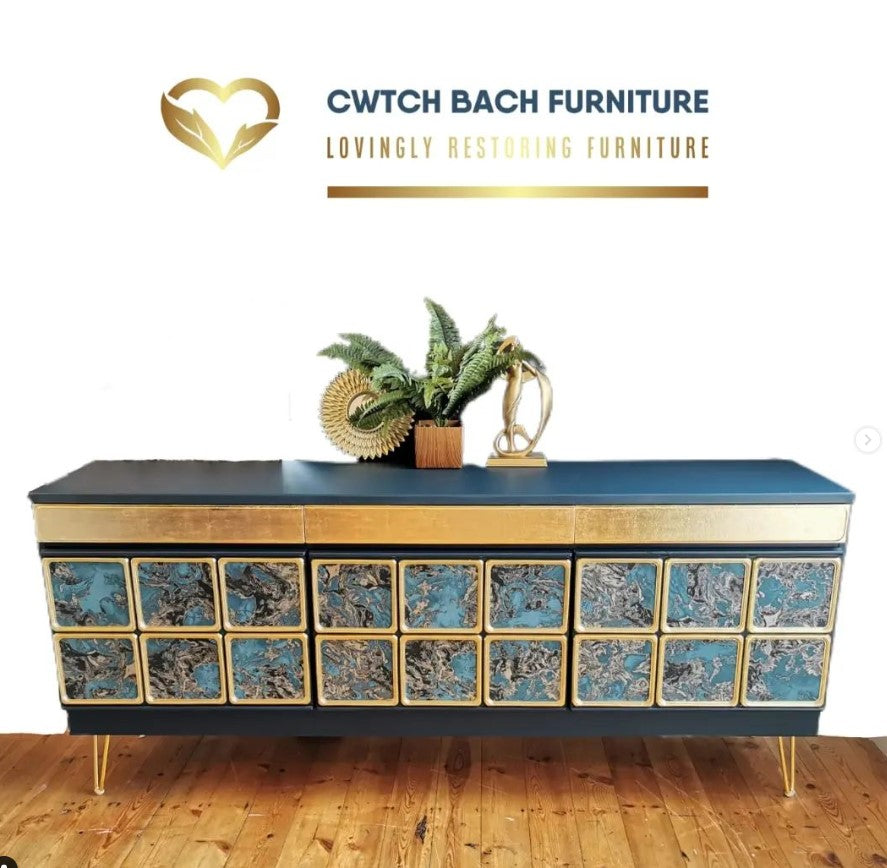
The amazing work by one of our clients Sarah

The amazing work by one of our clients Sarah. This sideboard was thoroughly cleaned, sanded back and primed with Bin shellac. It was then painted using Frenchic After Midnight and sealed with satin varnish. The square rims were painted using Wright’s of Lymm Rich Pale Gold mixed with Posh Chalk infusor. Once the Debona paper was added, the final touch of beauty for the drawers was completed using Wright’s of Lymm gold leaf and sealed with decorators varnish.


You can see more of her amazing furniture upcycle on her website

www.cwtchbachfurniture.com or instagram @cwtchbachfurniture